

Increasing fuel costs and higher emissions requirements are forcing facility managers to reconsider heating huge buildings. A feasible solution is a radiant tube system. It immediately heats people and surfaces, not just the air. Here's how it lowers heat loss, what determines its efficiency, and how to pick one properly.
How Does a Radiant Tube Reduce Heat Loss Compared to Forced-Air Heating?
Direct Infrared Warmth Targets Occupied Zones
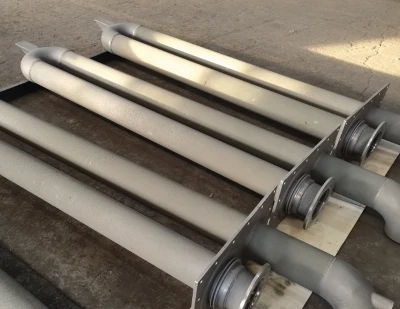
A radiant tube burns gas in a long steel tube and directs infrared energy straight to floors, machines, and humans. It warms the objects, not the air; therefore, very little heat is lost via open doors or rises to the ceiling. Workers are comfortable at lower thermostat settings, which cuts fuel usage for the full season.
Less Stratification in High-Bay Buildings
Hot air is sent up by forced-air units, and this hot air gathers in a ring of hot air near the roof at the top of the residence, leaving the floor chilly. The pattern is inverted using an overhead radiant tube, which heats the occupied level first. Therefore, the difference in temperature between the floor and the ceiling is decreased so that the building maintains comfort with less energy and fewer supplemental heaters functioning during cold mornings.
Lower Air Movement Means Lower Infiltration Loss
Forced air systems move large volumes of air. This may improve drafts or pull in cold air through gaps. Infiltration losses are negligible, even in busy loading areas, since a radiant tube is quiet and creates little air movement. The dust stays down to aid clean-up in manufacturing areas, and the heating system provides even, steady warmth for people.
What Factors Determine Radiant Tube Energy Efficiency in Industrial Facilities?
Burner Design and Combustion Efficiency
Burners today change the shape of the flame and keep the combustion clean so that more fuel can be used to make heat. With the right-sized radiation tube and two-stage or oscillating burner, it will change speeds based on demand instead of always running at full speed. Solutions that are sealed off pull air in from the outside. This makes big industrial halls more stable and protects the air quality inside.
Mounting Height and Reflector Quality
Depending on how it is made and how high it is put, the work area will get different amounts of infrared light. The heat is pushed down by a bright tube with a shiny metal mirror. This stops the wasteful energy from going up. They are set at the right height and angle so the heat is spread out evenly. There aren't as many units in the building, so no one area gets too hot.
Tube Material, Coating, and Insulation
What the tube is made of determines how heat goes through it and how long it lasts. A steel or aluminum heating tube that has been heated and left on for years will still work fine. More of the burner's energy gets to the people, tools, and things on the production floor because the housings and mirrors are better sealed and reflect less energy upwards.
Can Zoned Radiant Tube Heating Lower Operating Costs in Large Facilities?
Heating Only the Areas That Need It
Big plants don't use the square meter all at once very often. Zoned control makes sure that each light bulb only works in the area where people are working. A lower setback level is used to lower the temperature in a storage corner or bay when no one is working there. This method saves gas without sacrificing comfort because it only works in certain areas. Building a bigger building costs less.
Smart Thermostats and Scheduling
Because the shift patterns can be programmed, they can be matched to the heat. Infrared glowing tubes give off heat that can be felt right away, so zones can be turned on just before staff arrives. Through occupancy schedules and smart thermostats, less run time was wasted on weekends and in the evenings. This showed management that they were saving money on their monthly gas bills.
Maintenance and Long-Term Operating Costs
It's easy to build and doesn't take much care. Radiant tubes don't have as many moving parts as fans and duct networks, so burners and controls are usually the first things that are checked. In other words, the tools will last longer and cost less to keep up. Places of business can be sure that their heating budgets will work when parts don't need to be replaced often and always do their job.
How to Choose an Energy-Efficient Radiant Tube System for Your Facility
Assess Building Size, Height, and Layout
Use floor space, ceiling height, insulation, and door traffic to figure out how much heat is lost. The best way to set up radiant tubes depends on things like the length of the tubes, the number of burners, and the distance between them. The right size keeps the system from overheating or underheating, so it works well and keeps all work areas comfortable.
Compare Burner Types and Control Options
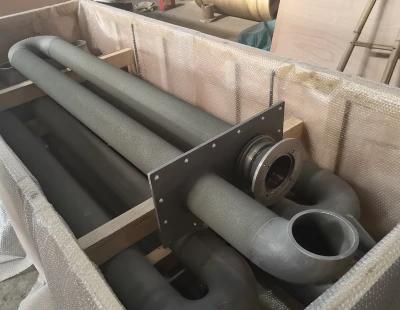
Check out U-tube, straight tube, and multi-burner setups, then pick the one that works best for your plan. For radiant tube heating with a modulating burner and sealed combustion, better and more reliable fuel use is often the case. It can be used with zone heaters or building systems to make sure that each area gets just the right amount of heat during the workday.
Work With a Qualified Manufacturing Partner
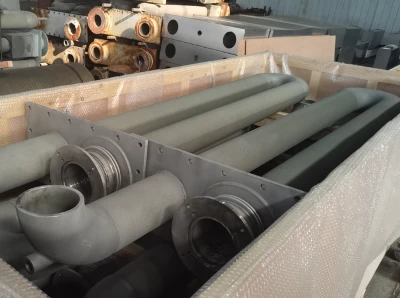
Good plans and good results are not the same thing, and that gap is a good source. Pick a partner that can make the radiant tube exactly how you want it, keep track of the materials, and check the quality of every part of it. With clear drawings, tried-and-true steps, and quick expert support, you can keep your project on track and make sure it works reliably for years after it's installed.
Conclusion
The radiant tube system may help the building save more energy by sending heat directly to the work area and cutting down on air movement and stratification losses. The form of the burner, the quality of the reflector, and where it is placed all affect how efficiently it works. Zone settings turn the benefits of efficiency into lower running costs. Getting the picture right is the right plan and the right production partner. Welong makes good heating ideas into long-lasting, custom-made metal parts. Their quality is ISO 9001-certified, and they've been supplying customers all over the world for 20 years.
FAQ
1. What is a radiant tube heater?
It is a gas-fired steel tube that emits infrared heat toward floors, equipment, and people.
2. Is it suitable for high-ceiling buildings?
Yes. Overhead heating warms the occupied level directly, reducing wasted heat near the roof.
3. Can I heat only part of my facility?
Yes. Zoned controls let each radiant tube operate independently and follow your schedule.
4. What affects fuel savings the most?
Burner modulation, reflector quality, mounting height, and accurate sizing matter most.
5. Can components be customized?
Yes. Welong produces custom metal parts from your drawings or samples.
Ready to Upgrade Your Facility's Heating?
Whether you are planning a new radiant tube installation or upgrading an existing system, Welong is ready to support you. Since 2001, we have supplied customized metal products to more than 100 customers across Europe, North America, and Asia-Pacific. Share your drawings or samples, and our engineers will help you build a reliable solution. Email us at metal@welongpost.com today.
References
1. ASHRAE. ASHRAE Handbook: HVAC Systems and Equipment, chapter on infrared radiant heating.
2. U.S. Department of Energy. "Radiant Heating." Energy Saver.
3. Rhee, K.-N., Olesen, B.W., and Kim, K.W. (2017). "Ten Questions About Radiant Heating and Cooling Systems." Building and Environment, 112.
4. ANSI Z83.20/CSA 2.34. Standard for Tubular and Radiant Heaters.
5. ISO 7730:2005. Ergonomics of the Thermal Environment.
6. ASHRAE Standard 55. Thermal Environmental Conditions for Human Occupancy.


