


Selecting a new roll for a continuous galvanizing line is a choice that impacts strip stability, coating quality, and maintenance planning for months to come. A well-chosen CGL stabilizer roll matches the existing pot hardware, operates smoothly in molten zinc, and maintains strip stability before the air knives. China Welong, a supply chain partner for bespoke metal products since 2001, shares crucial aspects engineers should review before making an order.
What Specifications Matter When Selecting a CGL Stabilizer Roll?
Start with the Original Drawing and Duty
The best place to start is the original sketch or the actual worn roll. The line is concerned with the collecting dimensions, tolerances, and the strip range to get a comprehensive image of the task. This information allows the provider to fit the new CGL stabilizer roll to the equipment so that it installs easily and functions as expected.
Strip Width, Gauge, and Line Speed
Each CGL stabilizer roll operates within a certain window of strip width, thickness, and speed. Checking these ranges with the broadest and heaviest product confirms you've selected the right roll face length and load capacity. And sharing production plans with the supplier helps the replacement meet current and future demands.
Compatibility with Existing Hardware
A new roll is installed utilizing arms, brackets, and bearing housings. Checking shaft ends, center distances, and mounting interfaces will make sure the CGL stabilizer roll will fit without modification. "Sending engineers pictures and measurements of the existing assembly is a quick way to confirm compatibility before manufacturing starts."
CGL Stabilizer Roll Dimensions, Materials, and Surface Requirements
Critical Dimensions and Tolerances
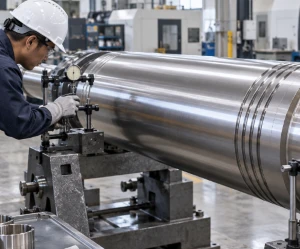
The contact between the roll and the strip is influenced by the roll diameter, face length, shaft diameter, and groove shape. The CGL stabilizer roll runs true due to concentricity and diameter tolerances. Accurate machining per accurate drawings ensures smooth rotation and constant contact, which helps to provide steady strip movement in the zinc bath.
Material Selection for Zinc Environments
The choice of material controls the performance of a roll in molten zinc for lengthy campaigns. Proper surface treatments and heat-resistant alloys retain the roll's proportions and quality at temperature. Your supplier talks with you about bath chemistry and campaign duration to provide a material selection that matches your line.
Surface Finish and Groove Design
The surface finish affects the roll's gentle treatment of the strip and the discharge of dross. A correctly planned groove profile in a professionally polished CGL stabilizer roll will support a bright, uniform strip surface. The sketch must clearly specify the surface so that the provider can give the precise finish your coating quality expects.
How Do Bearing Clearance and Alignment Affect Roll Performance?
Choosing the Right Bearing Clearance
Bearings in a submerged assembly work at an elevated temperature and so need clearance for thermal growth. A CGL stabilizer roll will turn smoothly and stay in place when loaded if the clearance class is appropriate for the actual operating circumstances. If you share your working temperature with the provider, this helps to pick the suitable fit from the start.
Shaft and Sleeve Fit
The fit of the shaft, sleeve, and bushing determines the smoothness of the roll's rotation. With well-matched parts, the CGL stabilizer can roll without wobbling even when temperatures increase throughout a campaign. Providing fit tolerances in the design provides manufacturers the information required to ensure smooth, reliable rotation.
Alignment During Installation
Correct alignment maintains the roll parallel to the strip route and to adjacent rolls. A properly placed CGL stabilizer roll will distribute load equally across its face and feed the strip neatly into the air knives. Allowing time for alignment checking during installation will provide more stable strip performance and longer component life.
What Operating Conditions Should Engineers Consider Before Replacement?
Zinc Bath Temperature and Chemistry
Roll performance is affected by bath temperature, aluminum content, and dross levels. Review these criteria with your supplier to identify the appropriate material and treatment for the replacement CGL stabilizer roll. A specification based on actual bath data provides longer campaigns and more predictable maintenance intervals.
Maintenance History and Service Life
A history of service data indicates the length of past rolls and which portions need repair initially. By knowing this history, engineers may optimize the specification for the next CGL stabilizer roll, whether that means better materials, modified clearances, or a superior groove design. Good records make it possible to use each replacement as a chance to improve.
Lead Time and Spare Planning
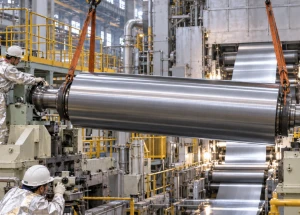
If you plan ahead, you'll reduce downtime. If the crew has a replacement CGL stabilizer roll on order before the existing one hits end of life, they may swap rolls at a planned stop and have a spare on hand. Agreeing on lead time with the provider early on makes planning the outage much easier.
Conclusion
The selection of a replacement CGL stabilizer roll requires precise drawings and a good grasp of strip range, materials, surface polish, clearances, and alignment. Then review bath conditions, maintenance history, and lead time to produce a specification that suits your line and promotes consistent strip transit. Careful planning minimizes risk, shortens downtime, and ensures the roll delivers dependable service campaign after campaign. With ISO 9001 certification, service and manufacturing based on drawings and engineering assistance, Welong is ready to assist you in specifying, developing, and providing the suitable roll for your galvanizing operation.
FAQ
1. What information does a supplier need for a CGL stabilizer roll?
An original drawing or sample, plus strip range, bath conditions, and mounting details.
2. Why is material selection important?
It determines how well the roll holds its shape and finish in molten zinc.
3. How does bearing clearance affect performance?
Correct clearance allows for thermal growth and keeps rotation smooth.
4. Can China Welong work from a worn sample?
Yes, it produces parts from drawings or samples and can also design drawings.
5. When should a spare roll be ordered?
Order before the current roll reaches the end of its life to avoid unplanned downtime.
Ready to Specify Your Replacement CGL Stabilizer Roll? Contact China Welong Today
The right specification saves time, protects coating quality, and keeps your line running. Send your drawings, samples, or operating details to metal@welongpost.com, and the China Welong team will respond with practical engineering advice and a tailored quotation. With ISO 9001-certified service, 20 years of export experience, and in-house design support, we are ready to deliver a CGL stabilizer roll that fits your line.
References
1. Marder, A. R. "The Metallurgy of Zinc-Coated Steel." Progress in Materials Science, 45(3), 2000.
2. Porter, F. C. Zinc Handbook: Properties, Processing, and Use in Design. CRC Press.
3. Harris, T. A., & Kotzalas, M. N. Rolling Bearing Analysis: Essential Concepts of Bearing Technology. CRC Press.
4. ISO 281:2007. Rolling Bearings – Dynamic Load Ratings and Rating Life. International Organization for Standardization.
5. Budynas, R. G., & Nisbett, J. K. Shigley's Mechanical Engineering Design. McGraw-Hill Education.
6. Tang, N.-Y. "Characteristics of Continuous-Galvanizing Baths." Metallurgical and Materials Transactions B, 30(1), 1999.


