



Custom Sand Casting Manufacturer in China
When you send us a casting drawing, we do more than reproduce its geometry. Our engineers review how the component will be used, machined, assembled, inspected, and used before defining the material, moulding method, casting allowances, gating strategy, and quality plan.
WELONG provides custom sand casting solutions for industrial components made from gray iron, ductile iron, carbon steel, stainless steel, aluminum alloys, copper alloys, and selected special alloys.
We support the project from pattern development and sand mould preparation through casting, heat treatment, CNC machining, surface finishing, inspection, and delivery coordination.
20+ Years Casting Experience
Experienced in manufacturing complex sand casting products for industrial equipment, machinery, and engineering applications.
Large Sand Casting Capability
Supporting casting components from 0.1 kg small parts to 50-ton large industrial castings.
Multiple Metal Casting Materials
Production capability includes: Iron, Steel, Aluminum, Copper
Stainless Steel
Alloy Materials
Integrated Manufacturing Support
Casting, machining, heat treatment, surface finishing, and inspection under one supply chain.
When Is Sand Casting the Right Process for Your Part?
Sand casting is usually worth evaluating when a component combines complex geometry, internal cavities, substantial section thickness, flexible alloy requirements, or a size that is impractical for permanent-mould processes. It can also be suitable for prototypes and low-to-medium production volumes where tooling investment must be controlled.
Large or Structurally Complex Geometry
When a housing, frame, support, impeller, or machinery component contains ribs, bosses, internal passages, or significant mass, we review how the geometry can be moulded, cored, fed, cleaned, and inspected before confirming process feasibility.
01
Critical Machined Interfaces
If the part includes bearing bores, sealing faces, mounting pads, threads, or alignment features, we identify those interfaces early. This allows us to evaluate machining stock, locating datums, distortion risk, and inspection access before pattern release.
02
Alloy and Service-Condition Requirements
We begin with the required function, not only a general material name. Load, impact, vibration, corrosion, temperature, wear, weight, and machinability influence the grade, heat-treatment condition, moulding process, and verification plan.
03
Prototype to Repeat Production
The expected annual quantity affects pattern construction, moulding method, process control, and total cost. We ask for both the first-order quantity and forecast demand so that the initial manufacturing route does not create avoidable cost or consistency problems later.
04
Engineering boundary: Sand casting may not be the best choice for very thin unsupported walls, cosmetic Class-A surfaces, or tight as-cast positional tolerances. Where critical features can be machined, we evaluate the casting and machining plan as one process rather than treating them separately.
How We Convert Your Drawing Into a Controlled Production Plan
We Identify the Part's Critical-to-Quality Features
We first confirm how the component will be used, assembled, sealed, supported, and inspected. Critical bores, interfaces, minimum wall sections, pressure boundaries, and material-property requirements are separated from non-critical geometry so that process controls are applied where failure would matter most.
01
We Review Casting Manufacturability
We evaluate wall-thickness transitions, isolated heavy sections, draft, fillets, core geometry, parting direction, feeding access, and areas that may trap gas or restrict metal flow. Where a design increases shrinkage, misrun, distortion, or cleaning risk, we propose a practical change or explain the process control required to retain the geometry.
02
We Select the Material and Moulding Route Together
Material grade, casting size, surface expectation, dimensional requirement, core complexity, quantity, and tooling strategy are interdependent. We therefore compare green sand and resin sand after reviewing the drawing instead of selecting a moulding method from part weight alone.
03
We Plan Machining Before Pattern Release
Machining allowance is assigned to the surfaces that require it, not added uniformly without reference to the datum strategy. We review clamping access, locating surfaces, bore relationships, sealing faces, and inspection datums so that the rough casting supports stable finishing operations.
04
We Define Acceptance Before Production
Before production release, we confirm the applicable drawing revision, material specification, heat-treatment condition, dimensional checks, surface acceptance, required non-destructive testing, sampling plan, traceability, and documentation. This reduces disputes caused by undefined or mismatched acceptance criteria.
05
Send a 2D drawing and 3D model for manufacturability review.
We Select Materials According to the Failure Risk
Instead of choosing a metal only by its general material name, we evaluate how the selected grade responds to the actual loading, environment, machining, and inspection requirements.
| Materials | Gray Iron Sand Casting | SG Iron Sand Casting | Carbon Steel Sand Casting | Stainless Steel Sand Casting | Aluminum Alloy Sand Casting | Copper Sand Casting | Nickel & Chrome Alloy Sand Casting | Custom Material Sand Casting |
| Typical Materials | Gray Iron, GG20, GG25, GG30 | SG Iron, Ductile Iron, Nodular Cast Iron | Carbon Steel, Low Carbon Steel, Medium Carbon Steel | Stainless Steel, Austenitic Stainless Steel | Aluminum Alloy, Aluminum-Silicon Alloy | Copper, Bronze, Brass | Nickel-Based Alloy, Chrome-Based Alloy | Custom Material Sand Casting |
| Advantages |
Excellent vibration damping Good machinability Cost-effective |
Higher strength than gray iron Good toughness Better impact resistance |
High mechanical strength Excellent load capacity Suitable for heavy-duty applications |
Excellent corrosion resistance Good temperature performance Long service life |
Lightweight Good corrosion resistance Easy machining |
Excellent conductivity Good corrosion resistance Stable thermal performance |
High temperature resistance Excellent wear resistance Superior corrosion resistance |
Flexible material selection Customized performance Supports special applications |
Materials can be supplied according to applicable ASTM, ISO/EN, DIN, BS, JIS, GB, customer specifications, and relevant project requirements.
Before production, we confirm the exact grade, chemical composition, mechanical-property requirements, heat-treatment condition, sampling method, traceability, and required material documentation.

Global Material Standards Compliance
We support material selection and certification based on ISO, ASTM, ASME, DIN, JIS, BS, and GB standards, ensuring each casting meets required chemical composition, mechanical properties, and application specifications.
Understand The Sand Casting Process
Sand casting is a versatile metal casting process that uses a specially prepared sand mould to create a cavity for molten metal filling and solidification. During the process, the mould cavity replicates the required component geometry, allowing manufacturers to produce complex metal parts with different sizes, shapes, and material requirements.
The quality and performance of sand cast components depend on multiple critical stages throughout the manufacturing process, including pattern making, mould preparation, sand material control, metal melting, pouring temperature management, solidification control, and post-casting machining. Proper control of each stage helps ensure dimensional accuracy, structural integrity, and consistent mechanical properties for industrial applications.
Pattern Making
The casting pattern defines the final geometry of the component.
Engineers optimize:
Part structure
Draft angle
Machining allowance
Casting shrinkage
01
Sand Mold Preparation
Different molding materials are selected according to casting requirements.
Available:
Green Sand Casting
Cost-effective solution for general industrial components.
Resin Sand Casting
Provides improved dimensional stability for large and complex parts.
02
Melting & Pouring
Metal materials are melted under controlled conditions and poured into prepared molds.
Control Factors:
Chemical composition
Pouring temperature
Metal cleanliness
03
Solidification & Cleaning
After cooling:
Mold removal
Sand cleaning
Surface treatment
Defect inspection
04
Machining & Finishing
Additional processing includes:
CNC machining
Drilling
Milling
Grinding
Surface treatment
05
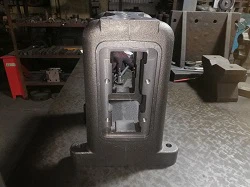
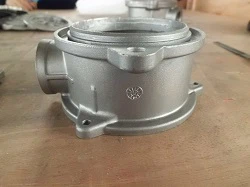
Sand-Cast Parts We Manufacture



Compare Different Sand Casting Methods
| type | Features | Suitable Applications |
| Green Sand Casting | Cost-effective, widely used, suitable for various metals | General industrial parts |
| Resin Sand Casting | Resin Sand Casting - Higher mould strength and improved dimensional stability for suitable large or complex castings. | Large and complex castings |
Welong Sand Casting Capability & Manufacturing Range
| Capability | Specification |
|---|---|
| Type of sand | Green sand and resin sand moulding are selected according to part geometry, casting size, production quantity, dimensional requirements, and tooling strategy. |
| Casting Weight | 1 kg - 5000 kg |
| Materials |
|
| Material standard | ISO, BS, ASTM, ASME, DIN, JIS, GB |
| Output per month | 500 Tons |
| The precision of the dimension |
Hand moulding, CT9-12;Machine moulding, CT8-10 |
| Surface Finish | Shot blasting, Galvanizing, Painting. |
| Specification | Hand moulding, CT9-12; Machine moulding, CT8-10 |
Engineering Support Before Production
A successful sand casting project starts before manufacturing.
Our engineers help customers optimize:
Casting Structure
Reduce casting defects and improve production reliability.
Material Selection
Select a suitable sand casting metal according to application requirements.
Manufacturing Process
Balance:
Cost
Performance
Production efficiency
Sand Casting vs Investment Casting vs Die Casting
| Casting Processes | Sand Casting | Investment Casting | Die Casting |
| Best Suited For | Customized industrial components requiring flexibility | Precision components requiring complex details | High-volume components requiring repeatable production |
| Production Volume | Prototype, low-volume, and medium-volume production | Low-volume to medium-volume precision production | High-volume continuous production |
| Part Size Requirement | Suitable when component size and weight are major considerations | Suitable when compact and detailed geometry is required | Suitable for smaller components with stable dimensions |
| Design Priority | Flexibility and manufacturability | Detail accuracy and surface quality | Production efficiency and consistency |
| Tooling Consideration | Lower initial tooling complexity | Higher tooling preparation requirements | Higher upfront die investment |
| Engineering Focus | Casting design optimization and machining allowance | Pattern accuracy and shell quality | Die design and cycle efficiency |
Quality Assurance For Reliable Sand Casting Parts
Inspection Throughout Manufacturing
Material Inspection
Verify chemical composition and material properties.
Dimensional Inspection
Confirm:
Casting dimensions
Machining tolerance
Final specifications
Surface Inspection
Check:
Cracks
Porosity
Surface defects
Final Quality Documentation
Provide inspection reports according to project requirements.
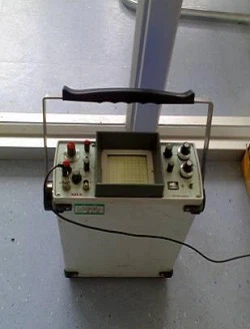
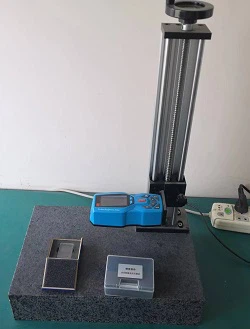
Inspection Equipment


Provide these details for an accurate quotation
Before requesting a quotation, please prepare: Part drawing,3D CAD model, Material requirement, Casting weight, Annual quantity, Surface finish, Machining requirement, Application environment
Our Factory

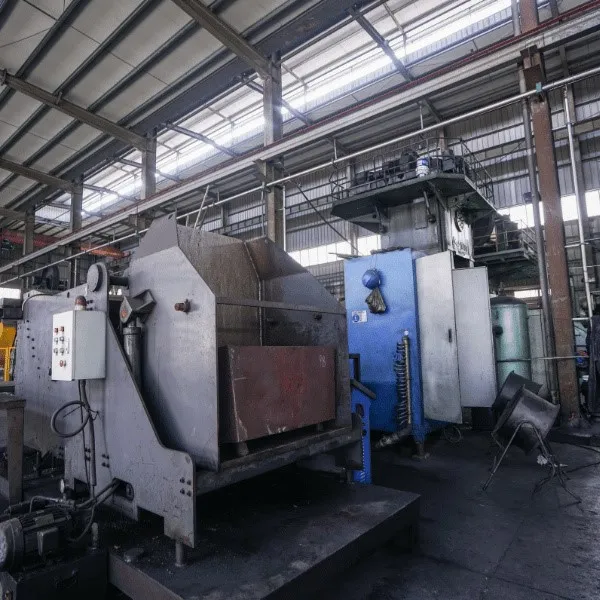
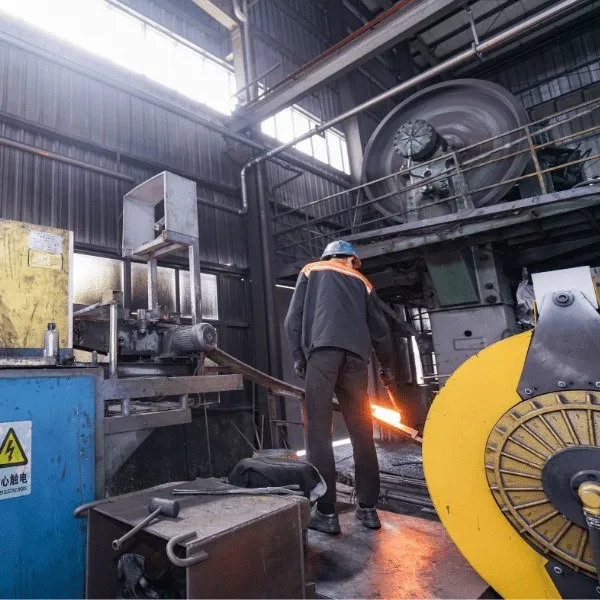

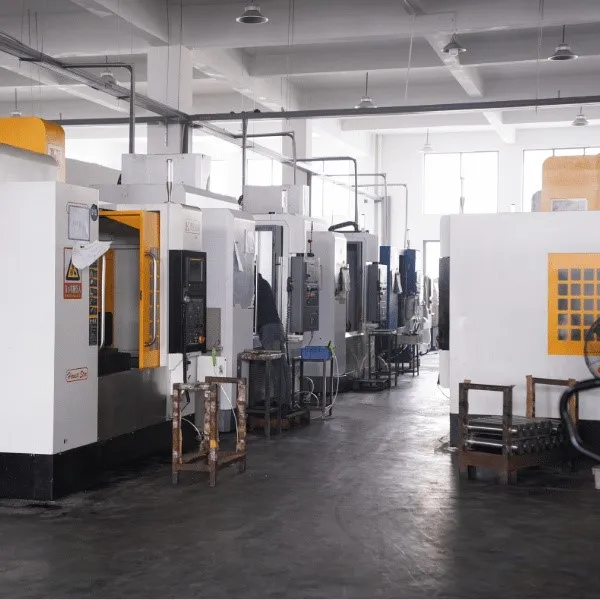
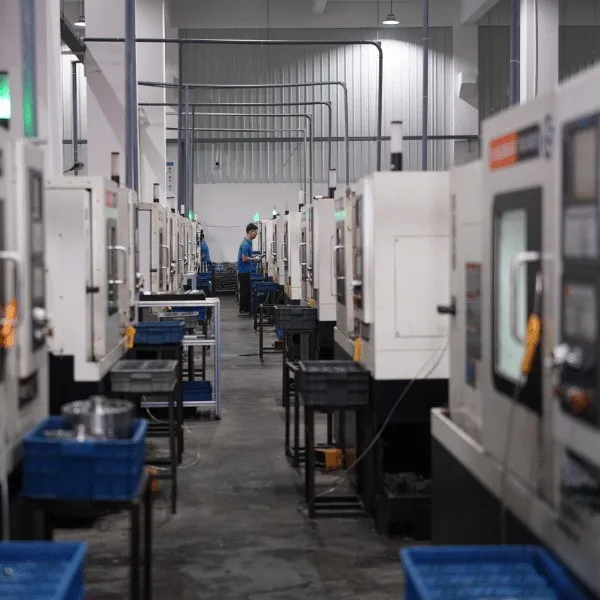


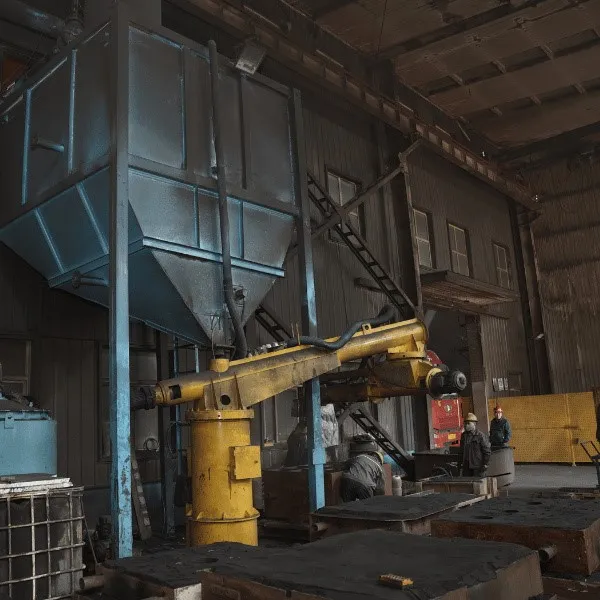
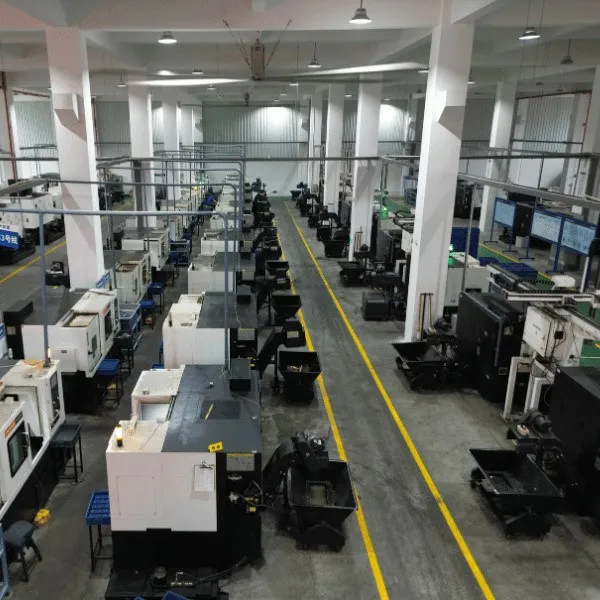
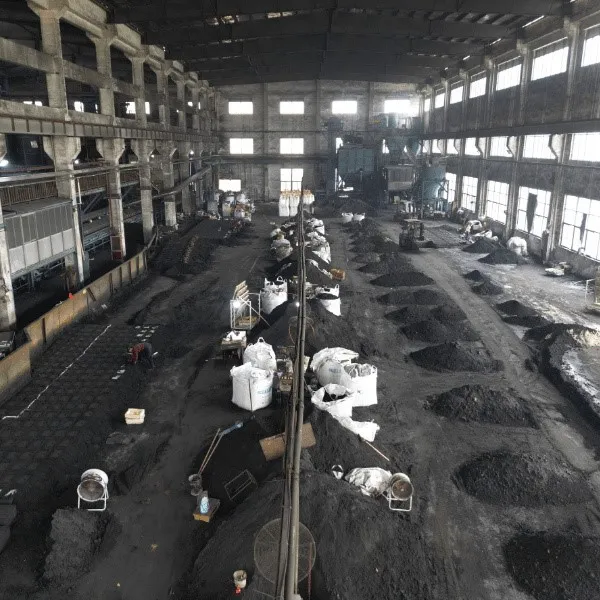

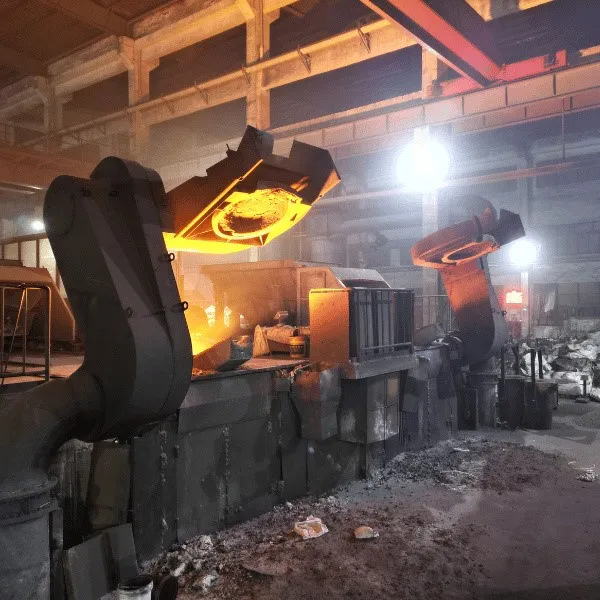


Certifications

ISO 9001:2015

ISO 9001:2015
Certificate name
Certificate name
Certificate name
Certificate name
FAQ
Q: Can you quote from a sample without a complete drawing?
A: A sample can support an initial discussion, but it does not define material properties, hidden geometry, tolerances, machining datums, or acceptance criteria. We recommend creating or approving a controlled drawing before tooling and production are released.
Q: Should all dimensions use the same casting tolerance?
A: Not necessarily. Functional and mating dimensions should be identified separately from non-critical as-cast geometry. We review which features can remain as cast, which require a specific tolerance basis, and which should be machined and inspected from defined datums.
Q: When should non-destructive testing be specified?
A: NDT should follow the component's failure consequence, material, section thickness, defect type, inspection access, and applicable acceptance standard. The RFQ should identify the method, inspection zone, sampling rate, and acceptance level; otherwise suppliers may quote different quality scopes.
Q: What information most often delays a sand casting quotation?
A: The main gaps are an undefined material grade, missing annual quantity, unclear machined condition, no critical-dimension identification, and unspecified inspection or documentation requirements. Providing these items allows us to evaluate tooling, process, machining, and quality costs on the same basis.
Q: How to choose a reliable sand casting manufacturer?
A: A reliable supplier should have:
Engineering capability
Stable casting process
Quality inspection system
Machining capability
Export experience