


The first step of good cooling is to select the right metal. This heat sink automotive guide covers materials, unique designs, and supplier verification. China Welong gives some practical knowledge to help you decide with confidence.
Which Materials Offer the Best Thermal Conductivity for Automotive Heat Sinks?
Copper Leads Conductivity
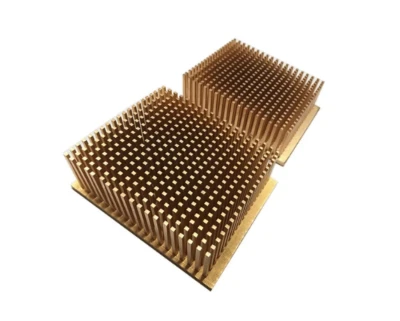
Copper has the greatest thermal conductivity of any common metal, around 400 W/mK; therefore, it conducts heat away from heated components extremely fast. In a tiny heat sink automotive application such as a power module, copper effectively distributes heat and maintains stable temperatures, supporting reliable electronics during lengthy and rigorous road rides.
Aluminum Alloys
Aluminum alloys are good for ~200 W/mK, which is enough for most automotive cooling demands. They are easily extruded, machined, and shaped into intricate fin shapes, so a heat sink vehicle supplier may provide several profiles. That combination of superior conductivity and flexible production is why aluminum is so commonly utilized.
Choosing by Application
The optimum material depends on where the item is used and how much heat it is exposed to. An automobile designer who works on heat sinks looks at the power levels, area available, and airflow before proposing copper, aluminum, or a mix of the two. It is preferable to match material to the actual circumstances of operation for cooling than to choose the maximum conductivity value.
Aluminum vs. Copper: Which Is Better for Automotive Heat Sink Applications?
Where Copper Excels
In space-constrained, high-heat density environments, copper is the best option. Its high conductivity lets a heat sink automotive part transmit heat rapidly from a compact chip or module into the fins, which helps keep delicate electronics stable and dependable even in tight housings under heavy, continuous electrical loads.
Where Aluminum Excels
Aluminum is also lighter and simpler to mass manufacture, which works for many automotive systems. Tall, thin fins may be used to improve surface area in aluminum vehicle heat sink design, providing good cooling at minimal weight. This is a suitable alternative for LED lights, control devices, and common daily electronics.
Hybrid Solutions
Some projects employ both metals, for example, a copper base bonded to aluminum fins. This hybrid heat sink architecture dissipates heat fast at the source and then rejects it via a lightweight fin stack. Engineers may tailor the design to cooling requirements while controlling weight and expense.
How Do Weight, Cost, and Thermal Conductivity Affect Material Selection?
Weight Considerations
In a car, every gram counts, particularly for electric vehicles where weight impacts range. Aluminum is roughly one-third the density of copper; thus, an automobile heat sink component built from it adds minimal weight. The less weight also makes it easier for assembly and logistical teams to install, handle, and transport.
Cost Balance
Cost is a big element in bulk manufacturing. Aluminum is often cheaper and simpler to process, which helps a heat sink automobile buyer stay within budget on big orders. Copper is more expensive and hence is frequently limited to sections where the higher conductivity clearly benefits performance.
Finding the Right Balance
Selecting materials involves balancing weight, cost, and conductivity. A reputable heat sink automobile provider considers your thermal aim, budget, and space limitations in concert and then offers the choice that fulfills all three. This pragmatic, balanced approach allows you to not overpay, yet delivers the cooling performance that your car electronics require.
Custom Heat Sink Automotive Designs for EVs, LED Headlights, and Power Electronics
Heat Sinks for EVs
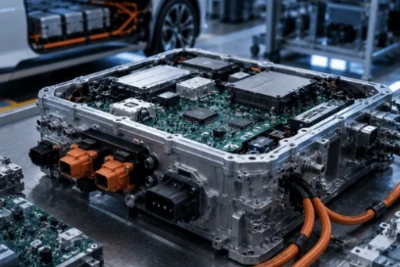
Electric cars include inverters, chargers, and battery systems that generate focused heat. The correct thickness for the base and pattern of the fins may be designed to transfer heat away. Custom heat sink vehicle design can be molded around each module. This provides a stable power supply and protects critical components during quick charging and lengthy journeys.
LED Headlight Cooling
LED headlights are bright and small, and need effective cooling to maintain consistent light output. The vehicle heat sink for headlights is generally aluminum, low in weight, and has spaced fins that may fit beneath the lamp housing. The LEDs are thermally designed to maintain constant brightness and have a long operating life.
Power Electronics
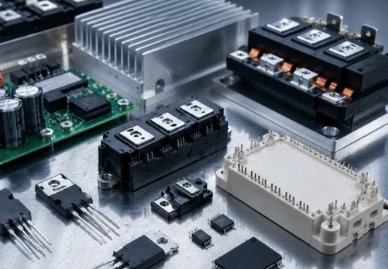
Power electronics like control units and converters require small and durable cooling. Our automotive heat sink solutions allow us to design unique mounting holes, smooth contact surfaces, and fin forms that match your housing. According to your designs or samples, we design each item for easy installation and reliable thermal performance.
What Should Buyers Check Before Choosing an Automotive Heat Sink Manufacturer?
Certifications and Experience
Start with certs and track record confirmation. Founded in 2001, China Welong is ISO 9001-2015 accredited and has provided services to over 100 automobile clients throughout the globe. This heat sink automotive manufacturing heritage means proven, well-established methods that provide consumers extra, enduring trust in reliable, repeatable quality.
Engineering and Drawing Support
Then examine engineering competence thoroughly. Welong manufactures from your incoming designs and samples, and our experts can prepare drawings for you using AutoCAD, Pro-Engineering, and SolidWorks. This freedom to cooperate with a heat sink automotive partner may help you take preliminary concepts and develop them into production-ready designs, eliminating delays and saving critical project time before mass production starts.
Quality Control and Communication
Finally, consider communication and quality control. Welong provides transparent and prompt service for monitoring and quality inspection purchases. An auto heat sink manufacturer that you can depend on will provide inspection findings, answer questions swiftly, and make delivery dates clear so your team can plan production with confidence and prevent expensive surprises down the road.
Conclusion
Cooling will be affected by the materials used. Copper gives the best conductivity, aluminum is light and cheap, and hybrid designs mix the two. Heat sink automotive project success depends on application fit of the material, design, and supplier. Your designs or samples, China Welong established in 2001, ISO 9001-2015 certificated service. Share your idea now, and we'll help you keep cool!
FAQ
Q1: Which material cools best?
A: Copper conducts best, while aluminum offers excellent value.
Q2: Is aluminum lighter?
A: Yes, about one-third the density of copper.
Q3: Can designs be customized?
A: Yes, from your drawings or samples.
Q4: Which uses need custom heat sinks?
A: EVs, LED headlights, and power electronics.
Q5: Is Welong certified?
A: Its service is ISO 9001-2015 certified.
Ready to Choose the Right Heat Sink? Contact Us Today
Contact China Welong today to discuss your heat sink automotive project. Send your drawings, samples, or ideas, and our engineers will recommend the right material, design, and price. We reply to every inquiry promptly, and our team will guide you from first sketch to bulk delivery. Since 2001, we have helped leading enterprises build dependable supply chains. Email us at metal@welongpost.com now, and let us keep your vehicles running cool.
References
1. Incropera, F. P., DeWitt, D. P., Bergman, T. L., & Lavine, A. S. (2007). Fundamentals of Heat and Mass Transfer (6th ed.). Wiley.
2. Kraus, A. D., & Bar-Cohen, A. (1995). Design and Analysis of Heat Sinks. Wiley.
3. Lasance, C. J. M., & Simons, R. E. (2005). Advances in high-performance cooling for electronics. Electronics Cooling, 11(4).
4. Lee, S. (1995). Optimum design and selection of heat sinks. Proceedings of the 11th IEEE SEMI-THERM Symposium.
5. Callister, W. D., & Rethwisch, D. G. (2018). Materials Science and Engineering: An Introduction (10th ed.). Wiley.
6. International Organization for Standardization. (2015). ISO 9001:2015 Quality Management Systems: Requirements.


