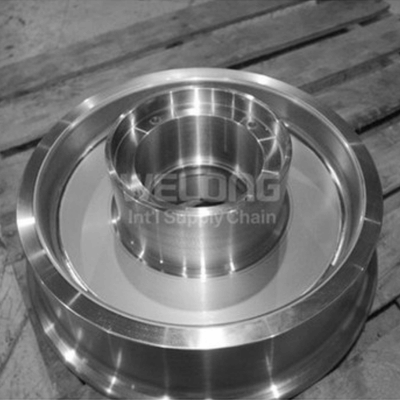

Investment casting, also referred to as lost-wax casting, is a high-precision manufacturing technique that is frequently used to create intricate metal parts with a flawless surface finish. This method is very important in modern production fields like medical devices, aircraft, and cars, where precise shapes and high-quality standards are very important. Understanding investment casting helps procurement pros and factory engineers choose the best casting method, keeping cost, quality, and output needs in mind.

Understanding Investment Casting: Definition and History
Investment casting is a way to shape metal that includes making a model out of ceramic that is covered in wax, and then melting out the wax to make very precise metal parts. The name of the method comes from the clay "investment" that goes around the design and makes a mold that can capture a lot of detail. When melted metal is put into the space where the wax used to be, it hardens into a nearly net-shaped part that doesn't need much secondary machining.
Industries Benefiting from Lost-Wax Precision
This method is useful for industries that need to be very accurate with measurements and complicated shapes, like aircraft, automobile, medical device manufacturing, and specialized industrial equipment. This way of making things is used to get tolerances that other casting methods just can't regularly meet. It's used for turbine blades for jet engines, surgical tools, high-pressure valves for oil drilling, and transmission parts for cars.
Evolution from Ancient Craft to Modern Manufacturing
There are lost-wax methods that date back more than 5,500 years to ancient Egypt and China. The modern investment casting process uses modern materials and machinery. With these changes, accuracy, repeatability, and scaling have all been improved, making it an essential way to make complex, high-performance parts. Modern foundries use computer-controlled pattern injection, robotic shell dipping, and automatic pouring systems to get results that would have been impossible for old craftsmen to achieve.
The Investment Casting Process: Step-by-Step Breakdown
The Investment casting method is made up of several carefully monitored steps that turn engineering drawings into finished metal parts. When working with suppliers, knowing about these steps helps procurement teams set realistic goals for wait times and quality results.
Pattern Creation and Assembly
Making models out of wax or 3D printing is the first step in the whole process. Injection casting with metal dies is used to make wax models that are very accurate copies of the originals. The patterns are then connected to a runner system, also known as a tree, by gates. This makes a casting cluster or assembly that is put on a pouring cup. Multiple parts can be made at the same time with this tree arrangement, which makes production more efficient and cost-effective for medium to large runs.
Shell Building and Dewaxing
Putting the piece into a bed of very fine sand and then into a wet ceramic mix is how a ceramic shell is made. This method can be used to apply several layers, usually between five and eight coats. Each layer makes the shell stronger and more resistant to heat. The wax is melted out in an autoclave, leaving a negative image of the assembly inside the shell. This is done after the clay is dry and hardened through controlled curing and air drying. At this point, the "lost-wax" name becomes literal: the pattern material goes away, leaving only the clay mold.
Metal Pouring and Knockout
The shell cast is then put in a very hot oven that can get over 1,000°C. This burns off any wax that is still there and makes the clay structure stronger. Depending on the material and shape of the part, the preheated shell is filled with liquid metal using gravity pouring, vacuum casting, or centrifugal casting, among other methods. To make the parts, gates, tree, and serving cup firm, the metal has to cool and harden. Once the metal has cooled fully, the ceramic shell is broken off with vibration or water blasting, showing the metal parts inside.

Material Selection and Finishing
Choosing the right materials is very important for this process. Stainless steel, titanium, cobalt-chrome, nickel-based superalloys, and aluminum are some of the metals that are used. They are chosen based on their strength, resistance to corrosion, working temperatures, and ability to keep their shape. After the shell is taken off, the parts go through finishing steps like removing the gate, surface grinding, heat treatment, cutting of important features, and a final check. Knowing about each step helps procurement pros work with suppliers to set quality and lead-time goals, making sure that the design purpose and the manufactured reality are in line with each other.
Comparing Investment Casting with Other Manufacturing Methods
Investment casting differs from sand casting in that it can create highly complex shapes with undercuts and internal openings, as well as finer surface finishes (typically between 125 and 250 microinches Ra). Even though sand casting is cheap for big parts, it can't match the beauty of the surface or the level of detail that investment casting usually gets.
Investment Casting versus Die Casting and Forging
Investment casting is a middle ground between die casting, forging, and 3D metal printing. It can handle high levels of complexity and detail at low unit costs for medium-scale production. Die casting is great for making a lot of parts with tight tolerances, but it can only use metal with lower melting points, like zinc, aluminum, and magnesium. Forging works best for simple forms that need to be strong and have straight grain flow. However, it can't make hollow parts or internal geometries that are very complicated, which is something that investment casting does all the time.

Additive Manufacturing Considerations
3D metal printing gives designers more freedom and speeds up testing, but it's still expensive and takes longer for production runs of more than a few hundred units. The process of building one layer at a time also creates uneven material qualities and surface shapes that usually need a lot of work afterward. This part gives buying teams clear criteria to use when comparing manufacturing options to figure out which one fits the project's goals, price, volume needs, and performance standards the best.
Advantages and Challenges of Investment Casting for Precision Metal Parts
For buying managers looking to strike a mix between quality and cost-effectiveness, Investment casting offers a number of advantages. The process works great for making parts that would be too expensive or technically impossible to make using normal cutting methods.
Core Advantages for B2B Applications
The ability to make parts with complicated internal paths, walls as thin as 0.015 inches, and tight tolerances usually within ±0.005 inches (±0.13mm) is a big plus for makers who want to get the most out of their components. A good surface finish cuts down on or gets rid of expensive extra processes, which speeds up time to market and lowers overall production costs. The process also shows high metal usage rates of more than 85%, with much less material waste than subtractive production methods. Investment cast parts don't have flash or parting lines, so they don't need to be cleaned up like parts made with other casting methods do. Investment casting can be done with almost any metal or alloy. This gives materials engineers a lot of freedom to choose the combination that best meets their needs.
Challenges Requiring Careful Management
However, if the process isn't carefully managed during production, flaws like porosity, clay inclusions, and differences in size can happen. The biggest problem is still the general cost structure, especially for small production runs of less than 50 units, where setup and tooling costs have a big effect on the price per piece. Higher starting costs are caused by specialized tools, expensive refractories and binders, the need for many steps to make each mold, and the need for a lot of work. Investment castings take longer to make than die casting or machining from bar stock. Depending on the complexity and source capacity, the production cycle can be anywhere from four to twelve weeks.
To keep complaints to a minimum and create consistency, it's important to know about these problems and follow best practices when making patterns, getting molds ready, and checking for quality. Welong's ISO 9001:2015-certified quality control methods deal with these problems in a planned way. At each stage of production, there are set checking procedures that look for problems before they affect the finished parts. With this knowledge, procurement experts can work closely with suppliers to make sure that products work at their best while also setting realistic goals for wait times and cost structures.
How to Choose the Right Investment Casting Supplier for Your Procurement Needs
There are many things to consider when choosing an Investment casting provider besides just comparing prices. To lower the risk of sourcing and ensure long-term success, supply chain leaders and procurement managers must look at technical skills, quality processes, and the chance to work together.
Certification and Technical Capabilities
Getting certifications is the first step in evaluating a seller. Certifications like ISO 9001:2015 show that you are dedicated to quality management systems, while certifications specific to your business, like AS9100 for aerospace or ISO 13485 for medical devices, show that you have specialized knowledge. Handling special or low-volume orders with experience shows flexibility and tech support skills that come in handy when changes need to be made to the design during development. Multiple suppliers aren't needed when you have a wide range of skills, such as different alloys, heat treatment choices, and finishing methods. This makes managing the supply chain easier and increases responsibility.Evaluating these capabilities also means checking if they work with common investment casting materials like stainless steel, titanium, and aluminum to match your project needs.
Geographic and Operational Considerations
Lead times and shipping costs can be affected by how close two manufacturers are to each other, but using online quotation tools lets you compare prices across multiple manufacturers around the world. China-based suppliers like Welong can give lower prices because their supply lines are more connected, they have more specialized knowledge in the area, and they take advantage of economies of scale. They also uphold international quality standards and clear communication protocols. Our engineering staff can use Auto CAD, Pro-Engineering, and Solidworks to make drawings. They can also work with a variety of file types so that everyone can work together on the project from the first idea to production.
Industry Specialization and Track Record
If you choose suppliers that specialize in your industry, like aircraft, cars, or medical products, you can be sure that they will meet the quality and regulatory standards that are relevant to your field. Shipping to the UK, Germany, France, Italy, Poland, the USA, Canada, the Netherlands, Sweden, Australia, New Zealand, Singapore, and India has given us a strong knowledge of the needs and expectations of each market. To support procurement goals for complicated metal parts while building partnerships that go beyond transactional relationships, strategic sourcing strikes a balance between technical knowledge, price competitiveness, and source reliability.
Conclusion
For procurement workers looking for precise, complicated, and material-flexible metal parts, Investment casting is still an important manufacturing procedure. Knowing the steps in the process, the benefits of each supplier, and the selection criteria helps you make smart choices that combine quality, cost, and delivery needs. The method can make nearly net-shape parts with great detail and little waste. This makes it very useful for industries like aircraft, automobiles, oil drilling, and medical devices that have to meet strict performance standards. As global supply lines change, it becomes more important to work with skilled suppliers who blend old-fashioned craftsmanship with modern quality systems. When the investment casting process is done with strict controls and technical support, it produces parts that meet exact requirements while lowering the total cost of ownership by cutting down on the need for finishing and assembly.
FAQ
What is the typical cost range for investment cast parts?
The average cost of an Investment casting part depends on how complicated it is, how big it is, how much it weighs, and what material is used. Small parts that are made in larger quantities (more than 1,000 units) may cost between $5 and $50 each. On the other hand, complex aircraft parts that are made in smaller quantities can cost anywhere from $100 to several thousand dollars each. Pattern dies usually have tooling costs that run from $2,000 to $15,000. These costs are spread out over the number of items that are made. When you buy more than 500 pieces, economies of scale start to show up, which has a big effect on unit prices.
What dimensional precision can investment casting achieve?
Most features can be machined to tolerances of 0.005 inches (0.13mm) by investment casting, with tighter tolerances on key measurements possible through secondary machining. Surface finish runs from 125 to 250 microinches Ra as-cast, so most of the time, extensive finishing processes are not needed. This accuracy meets exacting engineering needs in medical and military settings where part performance depends on meeting exact requirements.
When does investment casting outperform other manufacturing methods?
When a part has complicated internal pathways, undercuts, or thin walls that would be hard or impossible to machine, investment casting shines. It's cheaper and uses less material than cutting when making parts that would need a lot of metal removed. It has better geometric complexity and fine resolution than forging, but forging is still better at directional strength values for simple forms under high stress.
Partner with Welong for Your Investment Casting Needs
As an ISO 9001:2015-certified Investment casting company that works with sourcing managers and engineering teams all over the world, Welong has more than 20 years of specialized experience. Our wide range of skills covers the whole supply chain, from optimizing the initial design to final testing and shipping around the world. We use your plans or samples to make precise metal parts. We work with stainless steel, titanium, superalloys, and other special materials to make sure they meet your exact needs.
Before production starts, our engineering team gives advice on design-for-manufacturing to improve component performance, lower prices, and make the part easier to cast. We've successfully sent unique metal parts to more than 100 clients in Europe, North America, and the Asia-Pacific region. These clients work in the car, aerospace, oil drilling, and high-end medical treatment industries. Our partnerships with clients are built on open communication, strict quality control, and on-time delivery.
Get in touch with Welong right away at info@welongpost.com to talk about your investment hiring needs. To show what we can do, we offer free expert consultations, cheap quotes, and sample parts. Let us show you how working with a trustworthy investment casting provider can lower your buying risk and give you access to low-cost, high-quality production that meets global standards.
References
1. Brown, J.R. (2018). Foseco Ferrous Foundryman's Handbook (11th ed.). Butterworth-Heinemann.
2. Campbell, J. (2015). Complete Casting Handbook: Metal Casting Processes, Metallurgy, Techniques and Design (2nd ed.). Butterworth-Heinemann.
3. Investment Casting Institute. (2020). Investment Casting Design Guidelines and Technical Standards. Investment Casting Institute Publications.
4. Beeley, P.R. & Smart, R.F. (2017). Investment Casting: Fundamentals and Applications. Institute of Materials, Minerals and Mining.
5. ASM International Handbook Committee. (2019). ASM Handbook Volume 15: Casting. ASM International.
6. Jones, S. & Yuan, C. (2021). Precision Manufacturing Processes for Complex Geometries: Investment Casting in Modern Industry. Journal of Manufacturing Science and Engineering, 143(4), 041-058.