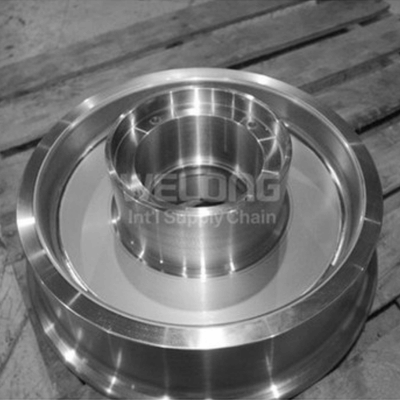

A nut is a part that is screwed together with a bolt or screw for tightening. It is a component that must be used in all manufacturing machinery. Depending on the material, the properties mainly include national standards (GB), German standards (DIN), and international standards. (ISO), Japanese Standard (JIS), American Standard (ASTM/ANSI) and other standards. Among them, the national standard, German standard, and Japanese standard are represented by M (such as M8, M16), and the American and British standards are represented by fractions or # (such as 8#, 10#, 1/4, 3/8). Parts that tightly connect mechanical equipment can be connected together through internal threads, nuts and bolts of the same specifications,
1. Type
According to their different shapes and uses, they can be divided into the following categories:
1. Standard type
Standard type is the most basic and most common type. They typically have six flat sides, known as hex nuts, and are suitable for most applications.
2. Threaded type
The threaded type is a special type that has a threaded structure in the internal hole to match the thread diameter. It is widely used in pipe joining, furniture assembly, and automobile manufacturing.
3. Self-locking type
The self-locking type is a specially designed type with anti-loosening function. They usually come with an additional washer or plastic ring to make them more difficult to loosen in a vibrating environment. It is widely used in applications that require resistance to external vibration and impact, such as mechanical equipment, aerospace, etc.
4. Threaded sleeve
A threaded sleeve is a type that enlarges the hole diameter. They are suitable for situations where two parts need to be connected through a smaller hole diameter. Threaded sleeves are usually made of metal materials and provide reliable connection and support.

2. Material
◆Carbon steel: Carbon steel is a commonly used material mainly composed of carbon and iron. It has good strength and wear resistance and is relatively cheap, making it widely used in most applications. However, carbon steel materials are prone to rust, so surface treatment or coating protection is required.
◆Stainless steel: Stainless steel materials are a corrosion-resistant choice because they are primarily composed of alloying elements such as chromium, nickel, and iron. Stainless steel types resist oxidation and corrosion, making them suitable for applications with high humidity or corrosive environments. Additionally, stainless steel types offer higher strength and wear resistance.
◆Brass: Brass material is mainly composed of copper and zinc and has good electrical and thermal conductivity. The advantage of brass is that it resists corrosion and is suitable for low-friction applications such as piping systems and electrical equipment. However, brass is relatively soft, so it may not be suitable for high-pressure or heavy-duty applications.
◆Aluminum alloy: Aluminum alloy material is made by mixing aluminum and other alloy elements (such as zinc, magnesium, copper, etc.). Their lower density and good corrosion resistance make them often chosen in applications where weight reduction is required. Aluminum alloy types also have excellent thermal and electrical conductivity.
When selecting materials, strength, corrosion resistance, cost and environmental factors need to be considered based on the requirements of the specific application. Different material types are suitable for different projects and industries.

3. Main features:
Bore: There is a hollow bore inside to accommodate the shaft of the bolt or screw.
Thread: There are threads inside that match the bolts or screws to achieve a tight connection.
4. Application scope:
◆Machinery industry: widely used in mechanical assembly to connect parts, such as automobile manufacturing, aerospace, engineering machinery, etc.
◆Construction industry: used in the construction field to connect structural parts, such as steel structures, bridges, buildings, etc.
Home and Furniture: Can be used to assemble furniture and other daily necessities, such as bed frames, chairs, cabinets, etc.
◆Electronic and electrical equipment: Used to fix circuit boards, accessories and equipment in the field of electronic and electrical appliances.
In short, nuts are important fasteners that can be used in various industries and applications to ensure reliable connections between components and structures.
If you have any questions, please feel free to contact me at nora@welongpost.com