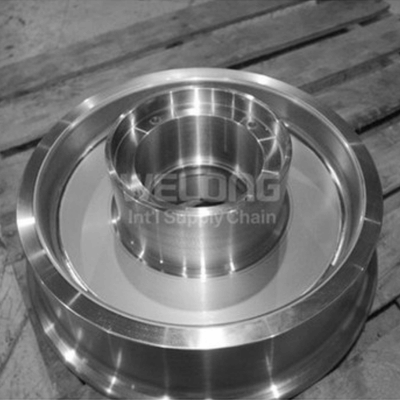

In the field of materials science and engineering, surface treatment is a crucial technology that not only enhances the appearance of materials but also improves their physical and chemical properties. Polishing, shot blasting, sandblasting, shot peening, and powder coating are five common surface treatment techniques. While their goal is to improve the material surface, the principles, applications, and effects of each are quite different. This article will provide an in-depth comparison and discussion of these five techniques from aspects such as definition, principle, application, and advantages and disadvantages.
Polishing
Definition and Principle: Polishing is a process that reduces the surface roughness of a workpiece through mechanical, chemical, or electrochemical actions, aiming to achieve a smooth and shiny surface. The process primarily involves the use of polishing wheels and abrasive particles to roll and microscopically cut the surface of the workpiece, thereby achieving a smooth surface. During polishing, the rotation speed of the polishing wheel is typically high, generating sufficient cutting force to remove surface peaks while maintaining the flatness and gloss of the surface.

Application: Polishing is widely used for surface treatment of various metals and non-metals, particularly in situations that require high precision and a high degree of surface finish. For instance, polishing technology is essential in fields such as precision instruments, optical devices, jewelry, and automotive components.
Advantages and Disadvantages: Polishing technology can significantly improve the surface smoothness and reflectivity of materials. However, the process is relatively complex and requires specialized equipment and operating skills. Additionally, during the polishing process, dust and waste may be generated, which need to be properly managed to prevent environmental pollution.
2.Shot blasting

 Definition and Principle: Shot blasting is a mechanical surface treatment process that uses a high-speed rotating impeller to fling steel shot (or other media) at the surface of a workpiece. This action removes impurities such as oxides, rust, and oil stains, thereby improving the appearance quality of the workpiece. During shot blasting, the impact force of the shot is relatively high, allowing it to effectively clean stains and defects from the surface of the workpiece.
Application: Shot blasting technology is widely used in surface treatment for industries such as shipbuilding, automotive parts, aircraft components, bridges, and steel structures. It efficiently removes stains and defects from the surface of workpieces, providing a solid foundation for subsequent processes like coating and plating.
Advantages and Disadvantages: Shot blasting offers high cleaning efficiency and low costs, making it suitable for mass production. However, due to the significant impact force of the shot, it may cause deformation or damage to thin-sheet workpieces. Additionally, the dust and waste generated during the shot blasting process need to be properly managed to avoid environmental issues.
3. Sandblasting
Definition and Principle: Sandblasting is a process that uses compressed air to propel abrasives (such as quartz sand, copper slag, corundum, etc.) at high speed onto the surface of a workpiece. This process is used to remove surface stains, increase surface roughness, or improve surface performance. During sandblasting, the abrasive particles impact and cut the surface of the workpiece, effectively cleaning the stains and increasing the roughness of the surface.

Application: Sandblasting technology is widely used for surface treatment of both metal and non-metal materials, especially in cases where the goal is to remove surface stains, increase roughness, or enhance surface performance. For example, sandblasting is commonly used in the surface cleaning and beautification of ships, bridges, building facades, and other structures.
Advantages and Disadvantages: Sandblasting offers high cleaning efficiency and great flexibility, capable of processing both the internal and external surfaces of complex workpieces, as well as the inner walls of pipes. However, the process generates a significant amount of dust and waste, necessitating the installation of appropriate recovery and disposal equipment. Additionally, the impact of the abrasive particles on the workpiece surface can be intense, potentially causing some damage to the material.
4.Shot peening
Definition and Principle: Shot peening is a surface treatment technique similar to sandblasting, but it typically uses steel shot as the abrasive medium. During the shot peening process, the steel shot is propelled at high speed onto the surface of the workpiece under high-pressure air or compressed air. This action helps to achieve surface strengthening, stress relief, or removal of surface stains. Shot peening can significantly enhance the fatigue strength, wear resistance, and corrosion resistance of the workpiece.


Application: Shot peening technology is widely used for the surface treatment of various metal components, especially in situations where improving the mechanical strength, wear resistance, and corrosion resistance of parts is crucial. For example, shot peening is commonly used in the automotive engine components, aerospace parts, and other related industries.
Advantages and Disadvantages: Shot peening equipment is simple and cost-effective, and it is not limited by the shape or position of the workpiece, making it easy to operate. However, shot peening can cause deformation or damage to thin-sheet workpieces, and the working environment may be less than ideal. Additionally, the efficiency of shot peening is relatively low, and it has a lower output per unit compared to other methods.
5.Powder coating
Definition and Principle: Powder coating is a surface treatment technique in which plastic powder is evenly sprayed onto the surface of metal or other substrates using a spray gun. The coated workpiece is then baked at high temperatures, causing the plastic powder to melt, level, and cure into a dense coating. Powder coating not only protects and decorates the surface of the substrate but also enhances its properties, such as corrosion resistance, wear resistance, water resistance, and dust resistance.

Application: Powder coating technology is widely used in industries such as home appliances, automotive, construction materials, electronics, and medical devices, particularly in outdoor or humid environments where both protection and decoration are required. For instance, powder coating is commonly applied to highway guardrails, automotive exteriors, building facades, and other areas that require durable finishes.
Advantages and Disadvantages: Powder coating offers significant advantages, including a dense coating, strong adhesion, excellent corrosion resistance, wear resistance, water resistance, and dust resistance. However, during the powder coating process, issues such as powder waste and environmental pollution may arise, requiring appropriate control and management measures. Additionally, the cost of powder coating is relatively high, and it demands advanced equipment and skilled operators.
6. Conclusion
Polishing, shot blasting, sandblasting, shot peening, and powder coating are five common surface treatment techniques, each with its own unique principles, applications, and advantages and disadvantages. In practical applications, it is essential to select the appropriate treatment technique based on specific needs and conditions to achieve the best surface treatment results. At the same time, with the continuous advancement and innovation of technology, these surface treatment techniques will continue to evolve and improve, bringing more convenience and possibilities to the fields of materials science and engineering.