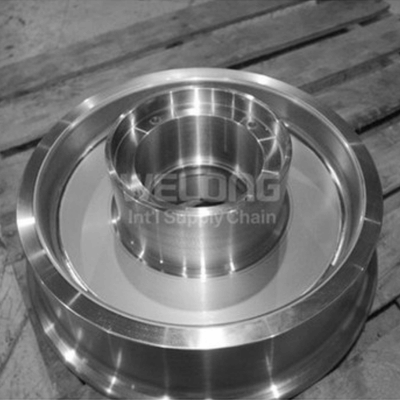

The Cylinder Head: Engineered Heart of the Internal Combustion Engine
Introduction of the cylinder head
The cylinder head is a critical and complex component mounted atop the engine block, forming the upper enclosure of the combustion chamber in an internal combustion engine (ICE). More than just a "lid," it is a precision-engineered assembly that serves as the nerve center for airflow, fuel delivery, and combustion management. Its design and integrity are paramount to an engine's performance, efficiency, emissions, and reliability. This article explores the cylinder head's functions, design, materials, manufacturing processes, and evolving role in modern engine technology.
Function and Critical Role of the cylinder head
The cylinder head performs several vital functions simultaneously:
Sealing the Combustion Chamber: It seals the top of the cylinder bore, allowing for the high pressures generated during combustion.
Housing Valvetrain Components: It contains the intake and exhaust valves, valve springs, camshaft(s), and rocker arms (in many designs), which control the flow of gases into and out of the cylinder.
Facilitating Air and Fuel Flow: The intricately designed intake and exhaust ports within the head guide the air-fuel mixture into the cylinder and expel exhaust gases.
Integrating Cooling Passages: It contains part of the engine's coolant jacket, allowing coolant to circulate and remove excess heat from the combustion chamber and valvetrain.
Integrating Lubrication Passages: Oil galleries are machined into the head to provide lubrication for the camshafts, valve stems, and other moving parts.
Mounting Auxiliary Components: It provides mounting points for the spark plugs (in gasoline engines), fuel injectors, and, in many cases, the entire intake and exhaust manifolds.
Design and Key Features
A cylinder head's design is a masterpiece of mechanical engineering, optimized for airflow and thermal management. Key features include:
Combustion Chamber Design: The shape of the chamber (e.g., pent-roof, hemispherical) is crucial for efficient combustion, flame propagation, and minimizing emissions.
Port Design: Intake and exhaust ports are meticulously shaped and polished to minimize flow resistance (improving "volumetric efficiency") and enhance swirl or tumble of the air-fuel mixture for better combustion.
Valvetrain Configuration: This is defined by the number and arrangement of valves (e.g., 2, 3, 4, or 5 valves per cylinder) and the camshaft location. Common configurations include:
Overhead Valve (OHV): Camshaft in the block.
Overhead Cam (OHC): Single camshaft in the head.
Dual Overhead Cam (DOHC): Separate camshafts for intake and exhaust valves, allowing for greater flexibility and higher engine speeds.
Material and Wall Thickness: The design involves complex thin-wall sections to save weight while maintaining structural integrity under extreme thermal and pressure cycles.
Materials
The choice of material is a balance between strength, weight, thermal conductivity, and cost.
Gray Cast Iron: Traditionally used for its excellent strength, wear resistance, and cost-effectiveness. It is still common in many diesel and heavy-duty applications.
Aluminum Alloy: The dominant material for modern gasoline engines. Its primary advantage is significant weight reduction (about 60% lighter than iron), which improves fuel economy and performance. It also offers superior thermal conductivity, helping to dissipate heat from the combustion chamber more effectively. Modern aluminum alloys are strengthened with elements like silicon to achieve the necessary durability.
Manufacturing Process of the cylinder head
The production of a cylinder head involves advanced casting and precision machining.
Casting: The majority of cylinder heads are manufactured using gravity casting or low-pressure casting. These methods are preferred over high-pressure die-casting because they produce a denser, stronger microstructure with fewer gas inclusions, which is critical for handling combustion pressures and heat. Sand cores are used to create the intricate internal coolant and oil passages.
Heat Treatment: Cast aluminum heads undergo a T5 or T6 heat treatment process to enhance their strength and hardness.
CNC Machining: This is the most critical phase. Multi-axis CNC machining centers perform numerous operations with extreme precision, including:
Milling the head gasket surface (deck face).
Boring camshaft bearing journals.
Drilling and tapping holes for spark plugs and injectors.
Machining valve guides and seats.
The final and most complex step is often machining the combustion chambers and ports.
Common Failure Modes and Challenges
Cylinder heads endure extreme conditions, leading to potential failures:
Cracking: Thermal stress from overheating is the most common cause of cracks, often occurring between the valves or from the combustion chamber into a coolant passage.
Warping: Overheating can cause the head to warp, compromising the seal with the engine block and leading to gasket failure.
Valve Seat Recession: Wear on the valve seats, especially in aluminum heads, can lead to loss of compression and engine performance.
Industry Trends and Future Outlook
The role of the cylinder head continues to evolve with engine technology:
Downsizing and Turbocharging: Higher specific outputs from smaller engines place greater thermal and pressure loads on cylinder heads, demanding more robust materials and cooling designs.
Variable Valve Timing (VVT) and Lift (VVL): Cylinder heads are increasingly integrated with sophisticated VVT and VVL systems to optimize engine performance across all RPM ranges.
Cylinder Deactivation: Some designs incorporate complex valvetrain mechanisms to deactivate cylinders under light load conditions to save fuel.
Alternative Fuels: Heads for engines running on compressed natural gas (CNG) or hydrogen may require specialized materials and valve seat designs to handle different combustion characteristics and temperatures.
Transition to Electrification: While the long-term future of the ICE is uncertain, cylinder head development remains crucial for hybrid vehicles and for the foreseeable future of commercial and heavy-duty transport.
Conclusion
The cylinder head is a masterpiece of engineering that has evolved far beyond a simple covering. It is a highly integrated system critical to achieving the power, efficiency, and cleanliness demanded of modern engines. As the automotive industry navigates its transition, the cylinder head will continue to be a focal point of innovation, pushing the boundaries of materials science and manufacturing precision for both traditional and alternative-fuel internal combustion engines.
Contact Us
For more information, please contact us at metal@welongpost.com.