


4. Expansion
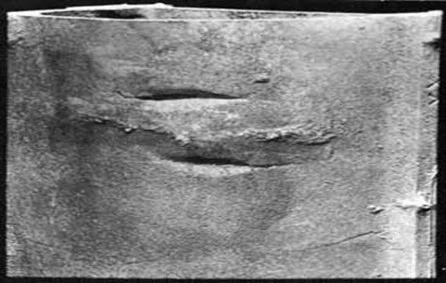
Metallostatic forces often cause the mold walls to move back, which results in the workpiece expanding in size. This means that the casting will expand beyond the required volume, which will appear as a slight, smooth bulge. As a result, its feeding and machining requirements will increase, and metal waste may result.
Causes
• Low-strength mold.
• Improper ramming of the sand mold.
Remedies
• Design the mold to withstand the pressure of the molten metal to prevent the mold walls from moving back.
• Use a stronger, more compacted mold.
5. drop
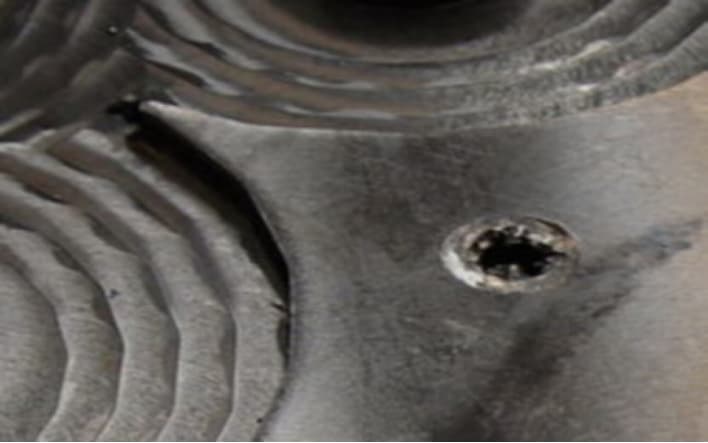
These defects occur when the casting is still molten. They are caused when loose pieces or lumps of molding sand fall from the upper mold surface into the mold cavity. As a result, projections of unusual and irregular shapes appear on the surface of the casting. Droplets can also make the metal surface look dirty and unsuitable for use.
Causes
• Low sand strength.
• Insufficient flux for the molten metal.
• Soft strikes.
• No reinforcement of the sand projection on top.
Remedies
• Use higher strength sand.
• Remove molten metal impurities with appropriate flux.
• Provide harder tamping.
• Reinforce sand projections with plugs or nails.
6. Metal penetration
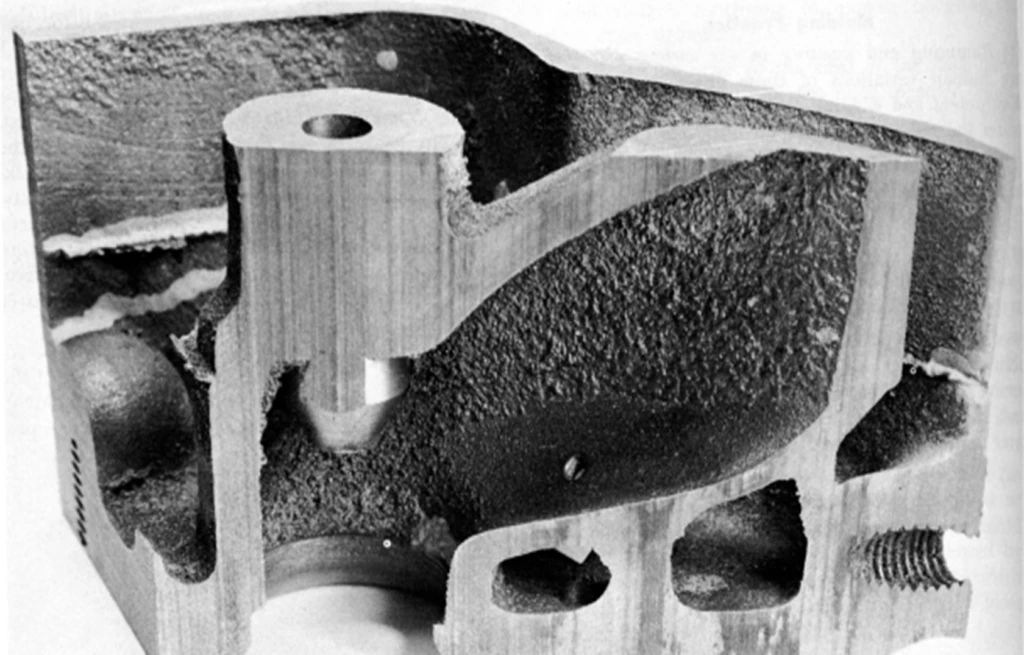
This occurs when molten metal penetrates into the openings or gaps in the sand. The main reason for this is that the sand grain size is too coarse, which hinders the proper flow of liquid metal. As a result, you get a rough and irregular casting surface, which reduces its beauty. You can easily see the effects of metal penetration with your naked eye.
Causes
• Use sand with high permeability and low strength.
• Soft sand.
• Using coarse sand or large sand grains will lead to more extreme metal penetration.
• Lack of mold cleaning.
Remedies
• Use small-sized, high-strength grains.
• Ensure hard compaction and low permeability of sand.


