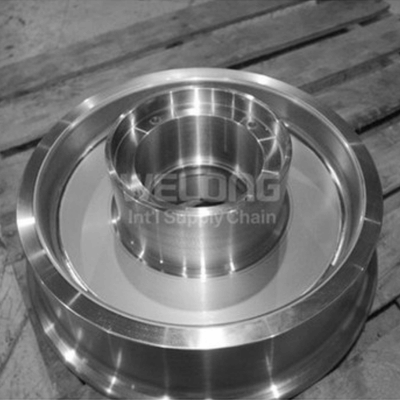

Penetrate Testing (PT), also known as Liquid Penetrant Testing or Dye Penetrant Inspection, is a widely used nondestructive testing (NDT) method for detecting surface-breaking defects in various non-porous materials. This technique is valued for its simplicity, cost-effectiveness, and ability to identify flaws such as cracks, porosity, and seams that might not be visible to the naked eye. The following article outlines the principles, process, and applications of PT.
Principles of Penetrate Testing
The basic principle of PT is capillary action, where a liquid dye penetrates into surface-breaking defects. Once applied, the liquid seeks out even the smallest of surface imperfections due to its low viscosity and high fluidity. Excess liquid is then removed, and a developer is applied to draw the penetrant out of the flaws, making them visible under proper lighting conditions.
PT is suitable for testing metals, plastics, ceramics, and other materials as long as their surfaces are non-porous. It works effectively on both ferrous and non-ferrous materials, making it versatile across a range of industries.
The Penetrate Testing Process
The PT process is typically performed in several well-defined steps:
Surface Preparation Proper surface preparation is critical to ensure accurate results. The test surface must be clean, dry, and free from contaminants such as oil, grease, rust, or paint, which might obstruct the penetrant's ability to enter flaws. Cleaning methods such as degreasing, abrasive blasting, or solvent wiping are commonly used.
Application of Penetrant A liquid penetrant, either visible or fluorescent, is applied to the test surface. The penetrant is allowed to dwell on the surface for a specified time to ensure it seeps into any surface-breaking defects. The dwell time depends on the material, defect size, and type of penetrant used.
Excess Penetrant Removal After the dwell time, the excess penetrant on the surface is carefully removed without disturbing the penetrant trapped in the defects. The removal method depends on the type of penetrant used (water-washable, solvent-removable, or post-emulsifiable). Improper removal can lead to false indications or missed defects.
Application of Developer A developer is applied to the surface to pull the penetrant out of the defects and create a contrasting background for better visibility. The developer may be a dry powder, a water-based suspension, or a solvent-based suspension, depending on the testing conditions.
Inspection The test surface is examined under appropriate lighting conditions to detect indications of flaws. For visible penetrants, white light is used, while ultraviolet (UV) light is employed for fluorescent penetrants. Defects appear as bright or colored lines, spots, or patterns against the developer's background.
Post-Inspection Cleaning After inspection, the test surface is cleaned to remove all residues of penetrant and developer. This step ensures the material's surface is restored to its original state and prevents contamination of the part in its intended application.

Advantages of Penetrate Testing
PT offers several advantages:
Simplicity and Ease of Use: The process is straightforward and does not require extensive training or complex equipment.
Cost-Effective: It is relatively inexpensive compared to other NDT methods.
High Sensitivity: PT can detect fine, surface-breaking defects that might be overlooked by visual inspection.
Versatility: It can be applied to a wide range of materials and shapes.
Limitations of Penetrate Testing
Despite its benefits, PT has certain limitations:
Surface-Breaking Only: It cannot detect subsurface or internal defects.
Material Constraints: Porous materials are not suitable for PT.
Environmental Considerations: The use of chemicals and cleaning agents requires proper handling and disposal to avoid environmental and safety concerns.
Applications of Penetrate Testing
PT is widely used in industries such as:
Aerospace: For inspecting turbine blades, landing gear, and structural components.
Automotive: To ensure the integrity of critical parts like engine blocks and suspension components.
Manufacturing: For quality control of welds, castings, and forgings.
Energy: In the inspection of pipelines, pressure vessels, and heat exchangers.
Conclusion
Penetrate Testing (PT) is a reliable and efficient method for detecting surface-breaking defects in non-porous materials. Its simplicity, cost-effectiveness, and versatility make it an essential tool in various industries to ensure the safety and reliability of critical components. By following the correct procedures and maintaining high standards of cleanliness and inspection, PT continues to play a vital role in quality assurance and defect detection.
This is a common test method for our products. And any more test you need also can be met. Please contact me at joy@welongpost.com to let me know your needs.