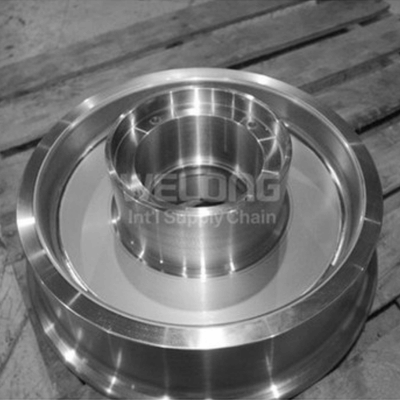

Steel, as a metal material widely used in construction, machinery, transportation and other fields, plays an important role. It is an alloy made of iron and carbon as the main elements through high-temperature smelting, refining, rolling and other processes. Steel has good strength, toughness, plasticity, welding performance and corrosion resistance, providing strong support for my country's economic and social development.
There are many types of steel. According to the carbon content, alloy elements, production process, etc., it can be divided into carbon steel, low alloy steel, stainless steel, tool steel and other varieties. Among them, carbon steel is the most widely used, mainly including construction steel, bridge steel, ship steel, etc.; low alloy steel has high strength and good welding performance, suitable for high-rise buildings, large-span bridges and other fields; stainless steel is widely used in medical equipment, food processing and other industries due to its excellent corrosion resistance.
(I). Classification by use
According to the use of steel, it can be divided into three categories: structural steel, tool steel and special performance steel.
1. Structural steel:
(1). Steel used as various machine parts. It includes carburizing steel, quenched and tempered steel, spring steel and rolling bearing steel.
(2). Steel used for engineering structures. It includes carbon steel A, B, special steel and ordinary low alloy steel.
2. Tool steel: steel used to make various tools. According to the different uses of tools, it can be divided into cutting tool steel, mold steel and measuring tool steel.
3. Special performance steel: steel with special physical and chemical properties. It can be divided into stainless steel, heat-resistant steel, wear-resistant steel, magnetic steel, etc.
(II). Classification by chemical composition
According to the chemical composition of steel, it can be divided into two categories: carbon steel and alloy steel.
Carbon steel: According to the carbon content, it can be divided into low carbon steel (carbon content ≤ 0.25%); medium carbon steel (0.25% < carbon content < 0.6%); high carbon steel (carbon content ≥ 0.6%).
Alloy steel: According to the content of alloy elements, it can be divided into low alloy steel (total alloy element content ≤ 5%); medium alloy steel (total alloy element content = 5%--10%); high alloy steel (total alloy element content > 10%). In addition, according to the different types of main alloy elements contained in steel, it can also be divided into manganese steel, chromium steel, chromium-nickel steel, chromium-manganese-titanium steel, etc.
(III) Classification by quality
According to the content of harmful impurities phosphorus and sulfur in steel, it can be divided into ordinary steel (phosphorus content ≤ 0.045%, sulfur content ≤ 0.055%; or phosphorus and sulfur content are both ≤ 0.050%); high-quality steel (phosphorus and sulfur content sulfur content ≤ 0.030%).
In addition, according to the type of smelting furnace, steel is divided into open-hearth steel (acid open-hearth, basic open-hearth), air converter steel (acid converter, basic converter, oxygen top-blown converter steel) and electric furnace steel. According to the degree of deoxidation during smelting, steel is divided into rimmed steel (incomplete deoxidation), killed steel (relatively complete deoxidation) and semi-killed steel.
When naming steel products, steel mills often combine the three classification methods of use, composition and quality. For example, steel is called ordinary carbon structural steel, high-quality carbon structural steel, carbon tool steel, advanced high-quality carbon tool steel, alloy structural steel, alloy tool steel, etc. ≤0.040%)); high-quality steel (phosphorus content ≤0.035%,
IV. Mechanical properties of metal materials
The properties of metal materials are generally divided into two categories: process properties and use properties. The so-called process properties refer to the properties of metal materials under the specified cold and hot processing conditions during the processing and manufacturing of mechanical parts. The quality of the process properties of metal materials determines its adaptability to processing and forming during the manufacturing process. Due to different processing conditions, the required process properties are also different, such as casting properties, weldability, forgeability, heat treatment properties, cutting processability, etc. The so-called use performance refers to the performance of metal materials under the conditions of use of mechanical parts, which includes mechanical properties, physical properties, chemical properties, etc. The quality of the use performance of metal materials determines its scope of use and service life.
With the advancement of science and technology and changes in market demand, the future development trend of steel shows the following significant characteristics:
First, green development. Against the background of increasing global environmental awareness, the steel industry will pay more attention to energy conservation, emission reduction and resource recycling. In the future, steel production will vigorously promote clean production technology, reduce energy consumption and pollutant emissions, develop low-carbon metallurgical technology, and produce more green and environmentally friendly steel products to meet the requirements of sustainable development.
Secondly, high performance. In order to meet the ever-escalating market demand, steel products will develop in the direction of high performance and high quality. This means that steel will have higher strength, better toughness, better corrosion resistance, etc. Through technological innovation, more new alloy steels, special steels and other high-performance steel materials have been developed to meet the needs of high-end fields such as aerospace, military industry and marine engineering.
Third, intelligent manufacturing. The steel industry will deeply integrate modern technologies such as information technology, the Internet of Things, and big data to promote intelligent manufacturing. From raw material procurement, production process control to product sales, we realize intelligent management of the entire process, improve production efficiency, reduce costs, and improve product quality.
Finally, customized services. Facing market competition and diversified customer needs, steel companies will gradually transform into suppliers that provide personalized and customized services. By strengthening cooperation with downstream users, we provide exclusive steel solutions for different industries and fields to improve the added value and market competitiveness of our products.
In short, the future development trend of steel will be an organic combination of green, high performance, intelligence and customization, which will help promote the transformation and upgrading of my country's steel industry and achieve high-quality development.