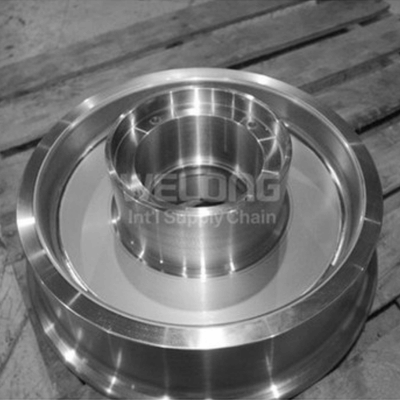

Gravity casting, a widely practiced permanent mold casting method, is renowned for its simplicity, efficiency, and ability to produce high-quality components with complex geometries. While its working principle-relying solely on gravity to fill the mold with molten metal-remains unchanged, its applications span across a wide range of industries. From lightweight automotive parts to heavy-duty machinery components, gravity casting plays a pivotal role in modern manufacturing. This article explores the diverse industrial applications of gravity casting and the reasons behind its enduring popularity.

1. Automotive Industry
One of the largest consumers of gravity-cast components is the automotive industry. With growing demands for fuel efficiency, reduced emissions, and enhanced performance, manufacturers increasingly rely on lightweight but strong parts-especially those made of aluminum alloys.
Key automotive components made using gravity casting include:
Cylinder heads
Engine blocks (for certain low-pressure applications)
Intake manifolds
Transmission cases
Brake calipers
Suspension brackets
Gravity casting offers excellent dimensional control and surface finish, which reduces the need for extensive machining. This is particularly important in engine components, where tight tolerances and thermal performance are critical. Moreover, the process is ideal for medium to high production volumes, matching the demands of large-scale vehicle manufacturing.
2. Aerospace and Defense
Although high-performance aerospace parts often require advanced casting methods like investment casting, gravity casting is still used for less critical components where strength, weight, and durability must be balanced with cost.
Examples include:
Housings for electronic equipment
Non-structural brackets
Air ducts and covers
In defense applications, gravity casting is valued for its ability to produce rugged components with reliable mechanical properties. When combined with specialized aluminum or magnesium alloys, it offers a balance of strength and weight ideal for many aerospace subsystems.
3. Industrial Machinery and Equipment
Gravity casting is extensively used in manufacturing components for construction machinery, agricultural equipment, and general industrial machines.
Typical gravity-cast machinery parts:
Gear housings
Pump bodies
Compressor parts
Bearing housings
Structural brackets
These components often require good mechanical strength, resistance to wear, and the ability to withstand harsh operating environments. Gravity casting, especially with aluminum bronze or ductile iron, provides a practical solution. The durability and dimensional stability of gravity-cast parts reduce maintenance needs and enhance equipment reliability.
4. Electrical and Power Sector
In the electrical industry, gravity casting is often used for enclosures, heat sinks, and mounting brackets for power transmission equipment. Aluminum's high thermal conductivity and corrosion resistance make it ideal for this sector.
Applications include:
Motor housings
Switchgear enclosures
Generator parts
Cooling fins and heat dissipation components
Because electrical components often require precise fitting and high-quality finishes, gravity casting's ability to produce near-net-shape parts is a significant advantage.
5. Consumer Goods and Hardware
Beyond heavy industry, gravity casting also finds applications in the production of durable consumer goods and hardware.
Examples include:
Outdoor lighting fixtures
Furniture components
Handles, hinges, and locks
Cookware (especially cast aluminum pans)
The repeatability and surface quality of gravity casting make it suitable for items that require both strength and aesthetic appeal.
Conclusion
Gravity casting is a remarkably versatile process that continues to serve as a backbone for many industrial sectors. From the precision required in automotive and aerospace applications to the robustness needed for heavy machinery, the process offers a compelling mix of reliability, cost-efficiency, and performance. Its adaptability to different metals, ability to create complex shapes, and long mold life make it a go-to choice for manufacturers around the world. As industries continue to evolve, gravity casting remains an essential tool for producing durable, high-quality metal parts on a large scale.
Contact Us
For more information, please contact us at metal@welongpost.com.