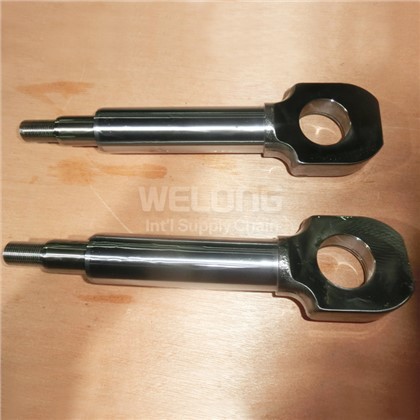

What is Forged Hub?
A forged hub is a type of component used in various industries, particularly in automotive and machinery applications. It is a sturdy and durable part that provides a strong connection between rotating components, such as wheels, gears, or pulleys. The forging process ensures the hub's strength and integrity, making it capable of withstanding heavy loads and harsh operating conditions. Forged hub can range in weight from less than a kilogram to hundreds of metric tons. Forging has been done by smiths for millennia; the traditional products were kitchenware, hardware, hand tools, edged weapons, cymbals, and jewellery.
Advantages of Forged Hub
Forged construction
Forged hubs are manufactured by subjecting metal billets to intense heat and pressure, resulting in a strong and dense material structure. This forging process enhances the hub's mechanical properties, including its strength, toughness, and resistance to fatigue, ensuring reliable performance under demanding conditions.
01
High load capacity
Due to their forged construction, these hubs have excellent load-bearing capabilities. They can endure substantial forces and torque without deformation or failure, making them suitable for applications that involve heavy-duty machinery, vehicles, or equipment.
02
Precision machining
After the forging process, forged hubs undergo precision machining to achieve accurate dimensions and smooth surfaces. This machining stage ensures tight tolerances and proper fitment with other components, allowing for optimal performance and minimal wear.
03
Corrosion resistance
Many forged hubs feature protective coatings, such as plating, galvanization, or powder coating, to enhance their resistance against corrosion, rust, and environmental elements. This protective layer helps prolong the lifespan of the hub and maintain its performance even in challenging environments.
04
Versatility in design
Forged hubs come in various designs and configurations to suit different applications. They can be customized to accommodate specific requirements, such as the number of mounting holes, bolt patterns, or attachment mechanisms, ensuring compatibility with a wide range of machinery or vehicle models.
05

What Are the Benefits of Using a Forged Hub?
Forged hub offers several advantages compared to other methods of machining for hub, spindle, and step shaft production. Our processes provide higher quality parts compared to pieces machined from bar stock. Machined castings from bar stock tend to have lower structural integrity, leading to cracking and part failure. In contrast, our forged hubs, spindles, and step shafts are strong, durable, and have a much longer life span.
● Improved microstructure
● Reduced downtime because of premature failures
● Less chance of voids with a 3 to 1 minimum reduction
● Continuous grain flow
● Longer life
● Able to run higher pressures and loads
● Reduced weight, thus saving on shipping costs
How to Drop Forged Hub?
The forged hub are often made by means of drop forging processes realized on presses. Due to the necessity of lightweight structure, wheel hubs are often manufactured by aluminum forging. Forming of drop forged wheel hub is a specific hot forging process and it differs from steel forging process.
The big changeability of aluminum alloys properties within the range of the applied forming parameters results in difficulties in the process design. The majority of aluminum alloys' forgings are made by means of forging process with flash. The degree of complex forging geometry decides about the amount of heating and type of the applied tooling. The forgings with a complex geometry, ribbed, which need a precise preforming, are forged in preforming impression, and next, after the damages removing and reheating they are forged in forming impression. In the forming process of less complex forgings, which are made in small series, the application of preforming impression is usually omitted. Preforming operation is made in forming impression with several millimeters of underfilling. After the damages removing and reheating, it is finally made in the same impression. In case of enlarged forgings, the preforms are rarely used despite difficulties in their obtaining. For the preforming of material, enlarging and rolling impressions are not applied. The operation of this type causes fast lowering of material temperature and the overlapping creation as a result forging with rotation at the same time. Because of that, workpiece in the form of a bar with the section close to the biggest forging section is used.

Functions of Forged Hub
One common application of forged hubs is in automotive wheel hub assemblies. They provide a secure connection between the wheel and the vehicle's axle, ensuring smooth rotation and reliable support for the vehicle's weight. Forged hubs in this application need to withstand constant axial and radial loads generated during vehicle operation.
Forged hubs are used in machinery applications involving gears, pulleys, or sprockets. They provide a rigid interface between these rotating components, allowing the transmission of torque and power efficiently. The robustness of forged hubs ensures durability and reliability, even in high-speed or heavy-load operations.
Forged hubs find widespread use in various industrial machinery, such as pumps, compressors, conveyors, and agricultural equipment. These hubs facilitate the connection between rotating shafts and other components, enabling efficient power transmission and smooth operation of the machinery.
Forklifts, cranes, and other material handling equipment rely on forged hubs to connect the wheels or casters with the axle or drive system. The strength and load-bearing capacity of forged hubs contribute to safe and reliable operation in demanding environments, where heavy loads are frequently lifted and transported.
In construction machinery like excavators, loaders, or bulldozers, forged hubs play a vital role in supporting and connecting rotating parts, such as bucket or blade attachments. Their robust construction allows them to endure the heavy loads and vibrations encountered in construction sites.
How to Choose Forged Hub?
The forged hub is the central point of the wheel structure where all dynamic loads transfer from the tire-wheel system through the spokes into the bicycle frame. The forged hub handles tremendous static and dynamic loading created by the road, the rider and spoke tension. The following guidelines aim to help you pick the best forged hub for your application.


Hub weight: Of all the components on a wheel, the forged hub plays the least important role in rotating inertia because it is located at the center of rotation. This means the weight of the forged hub is not as significant as other wheel components located further from the center of rotation (i.E., rim, nipples, tires, or tube). On bicycles with suspension, the weight of the forged hub contributes to unsprung mass -- these systems will gain marginal benefit from decreasing forged hub weight. Decreasing forged hub weight on a road bike will make your bike lighter, which can be an important factor for racing or climbing, however it will not make your wheel accelerate faster.
Hub flange: The largest load on a forged hub is created by the tension of the spokes. Wheels that are laced with 2-, 3- or 4-cross spoke patterns create significantly less stress on a forged hub flange than those that are radially laced. Radially laced spoke patterns can contribute to flange cracking and breakage. For this reason some forged hub manufacturers will not warranty radially laced forged hubs. Some manufacturers produce forged hubs with extra thick or forged flanges with holes drilled closer to the axle, leaving more material to handle the additional stress of radial lacing.
Hub hole count: Consider rim compatibility when selecting your forged hub. Some forged hubs are not available in very low or very high spoke counts.
Axle type: New axle configurations continue to pop up as frame manufacturers attempt to optimize any number of parameters from disc brake compatibility to improved chain line. It is critical to note the axle specification requirement for your frame and fork before ordering forged hubs.
Make sure you select an appropriate axle for your application. Selecting the wrong forged hub can create a real challenge after a wheel is built.
Drivetrain: Similar to axle configurations, there are new drive systems being introduced every year. Verify the forged hub you select is compatible with the component group you plan to use.
Other forged hub considerations: Color preference, manufacturer preference, durability in wet weather, ease of maintenance, availability of spare parts and of course cost.
How Do Forged Hub Compare to Castings?
Forged hub are stronger. Castings do not have strengthening benefits yielded by hot and cold forged hub. Forging surpasses casting in predictable strength properties and produces superior simultaneously more ductile and resistant pieces with uniform quality assured across the production run.
Forging refines defects from cast ingots or continuous cast bar. A casting is defined as having neither grain flow nor directional strength and the casting process cannot prevent the formation of certain metallurgical defects. Pre-working forge stock produces a grain flow oriented in directions requiring maximum strength. Dendritic structures, alloy segregations, and similar imperfections are also refined in forging.
Forged hub are consistently more reliable and often less costly over time compared to castings. Casting defects occur in a variety of forms. Because hot working refines grain patterns and imparts high strength, ductility, and resistance to each forged piece they are also more durable. Also, they are manufactured without the added costs for tighter process controls and inspections that are required for castings.
Forged hub also offer a better response to heat treatment. Castings require close control of melting and cooling processes because alloy segregation may occur. This results in a non-uniform heat treatment response that can affect the straightness of finished parts. forged hub respond more predictably to heat treatment and offer better dimensional stability.
Production of forged hub allows for flexible, cost-effective adaption to market demand. Some castings, such as special performance castings, require expensive materials and process controls, and longer lead times. Open-die and ring rolling are examples of forging processes that adapt to various production run lengths and enable shortened lead times.
Applications of Forged Hub in Various Industries
The exceptional mechanical qualities of forged components make them excellent for use in various sectors. The following are some of the most common applications of forged hub in multiple industries:
Aerospace
The aerospace sector needs superior-quality components that endure harsh conditions, such as high temperatures, high stress, and fatigue. forged hub is typically utilized for jet engine components like turbine discs, blades, and rotors. It is also applied to optimize landing gear components for added strength and durability to support the aircraft's weight and absorb the impact of landings.
Automotive
The automotive industry is one of the main users of forged hub due to its high strength and durability. For example, engine components like crankshafts, connecting rods, and pistons are normally made using the forged hub process due to the high-stress operating environment.
Another application of forged hub is in manufacturing suspension components, such as control arms, steering knuckles, and hubs. They support the vehicle's weight and give control and stability. Furthermore, forged parts are used extensively to manufacture transmission components such as gears, shafts, and clutches.
Defense
The defense sector requires components that can withstand extreme conditions, high stress, and hostile settings. forged hub provides the necessary mechanical qualities for defense applications, including high strength, damage tolerance, and corrosion resistance. Examples of forged components include artillery shells, tanks, and aircraft parts.
Medical
Forged hub provides medical professionals with biocompatible components necessary for medical equipment, orthopedic implants, and dentistry tools. Particularly, the forged parts of orthopedic implants and surgical devices can endure intensive sterilization without losing structural integrity.
Oil and gas
The oil and gas industry functions under severe operating conditions that demand equipment capable of enduring high temperatures, pressures, and corrosive environments. forged hub provides superior strength and high-performance components widely used in the oil and gas sector. Such parts include drill bits, mud motors, drilling tools, downhole tools, pipeline segments, and valves.
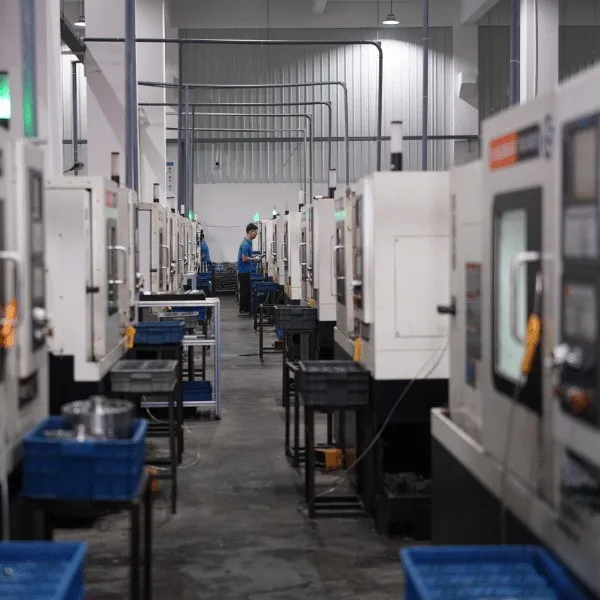
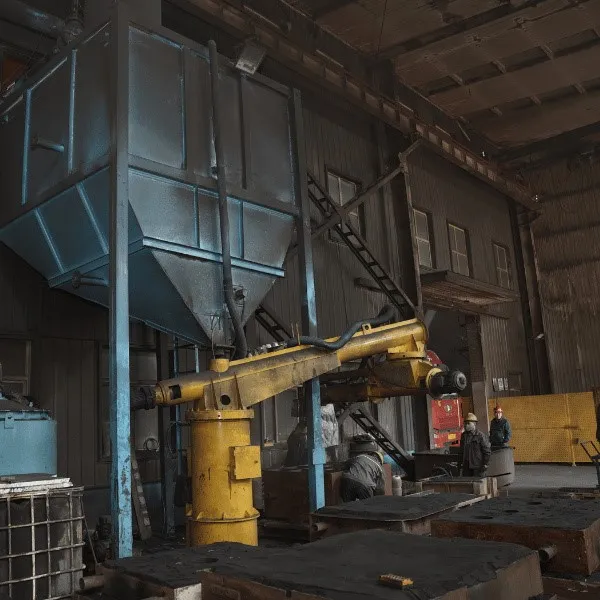
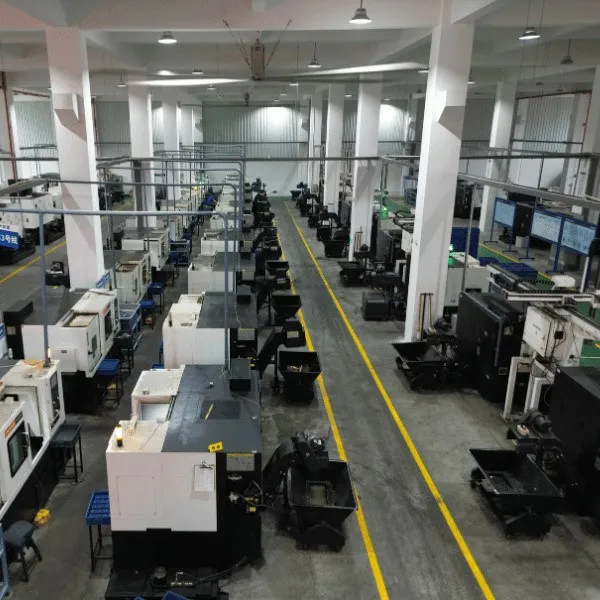
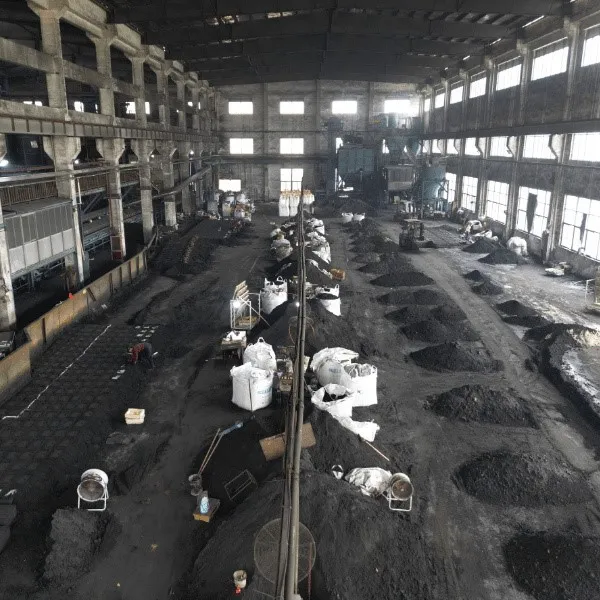
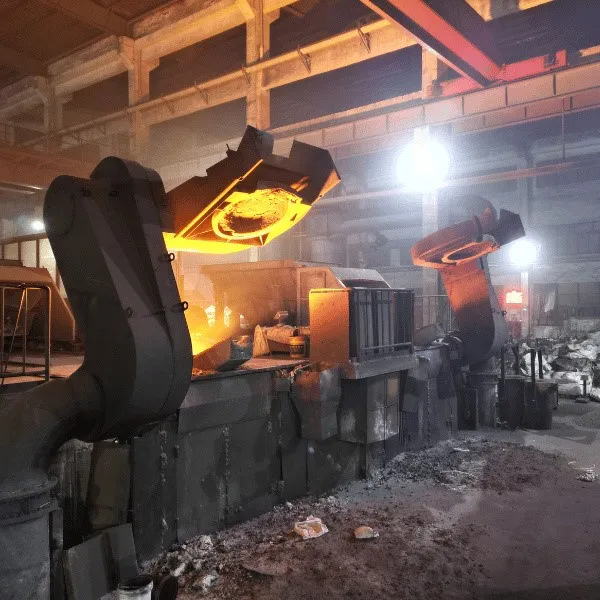
Our Factory

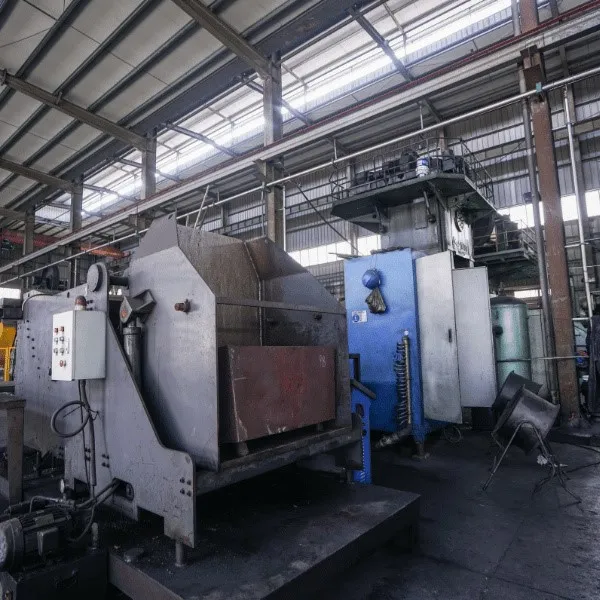
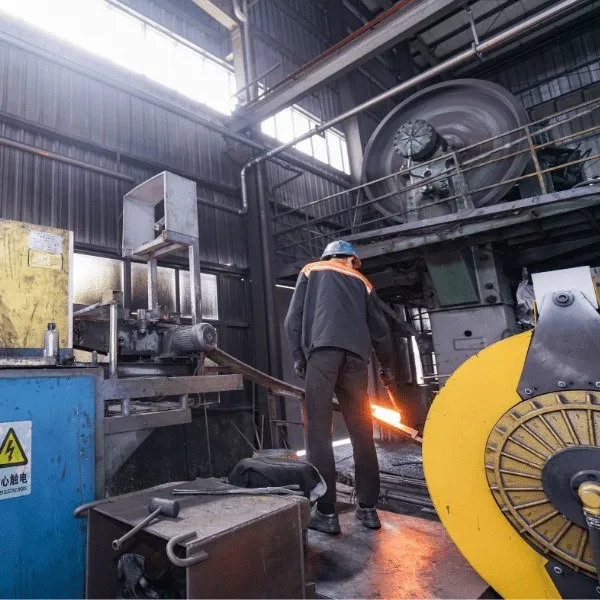

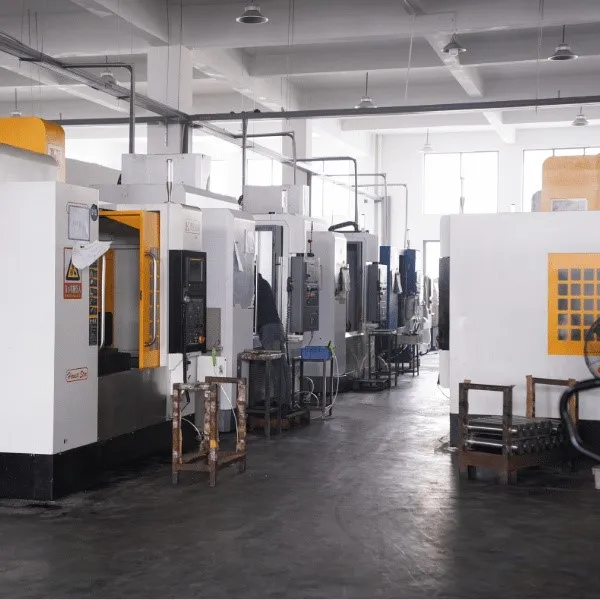





Certifications

ISO 9001:2015

ISO 9001:2015
Certificate name
Certificate name
Certificate name
Certificate name
FAQ
Hot Tags: forged hub, China forged hub manufacturers, suppliers, factory, Heavy Duty Squeeze Cylinder, forging and quenching and tempering and machining