
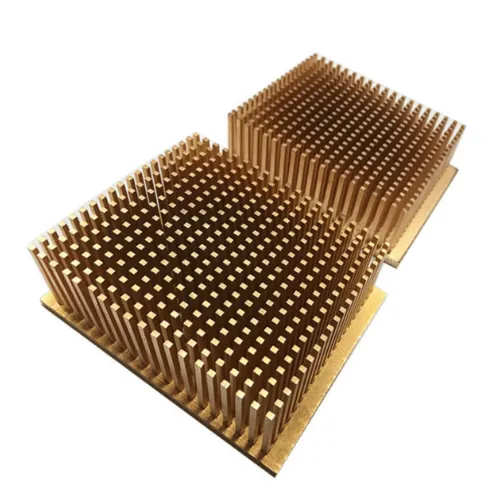
Specification
| Material | Aluminum Alloy / Copper Alloy |
| Dimension(L**W*H) | upon the customer's drawings |
| technology | Cold Forging ,CNC Machining ,Surface Treatment |
|
|
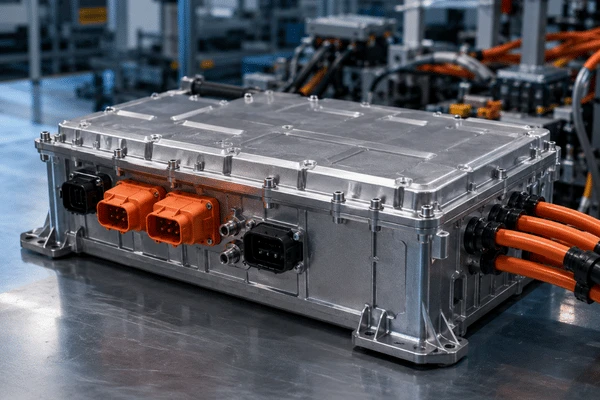
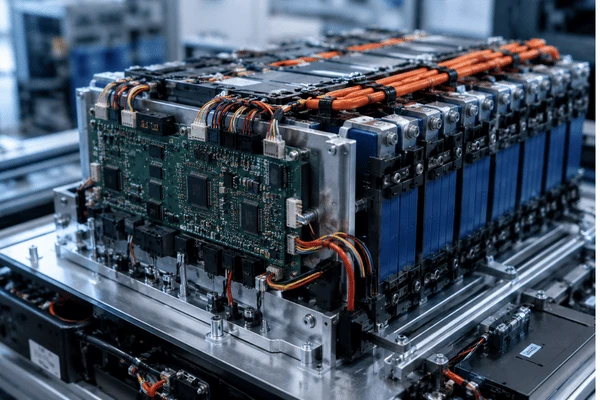
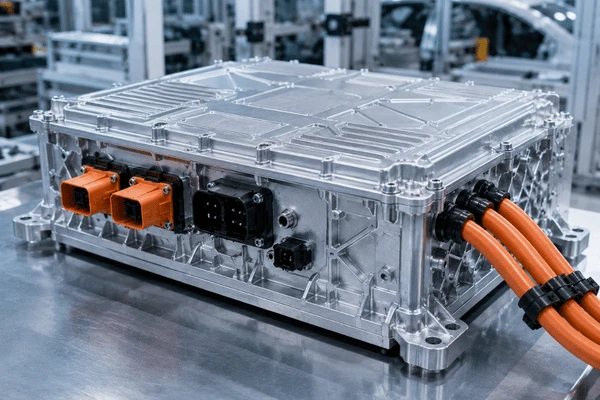
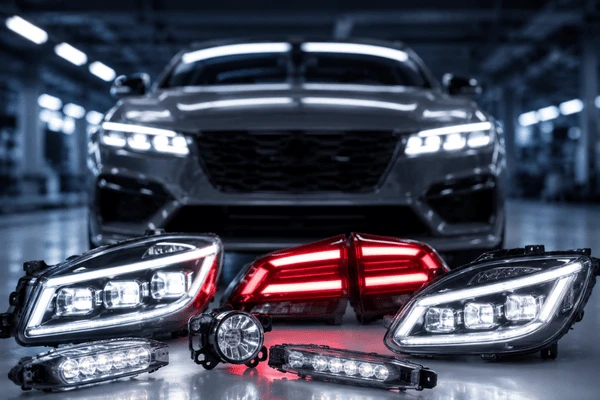
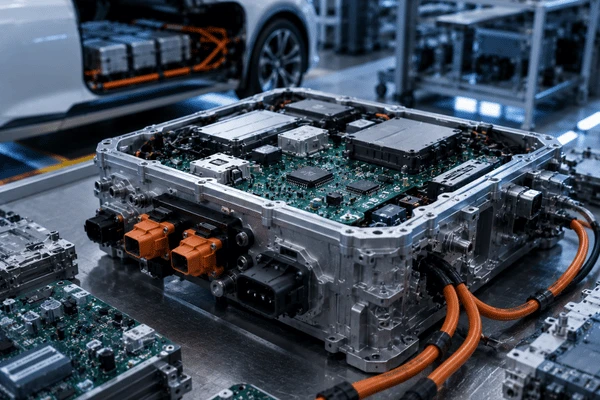
Power Control Units (PCU), Battery Management Systems (BMS), On-board Chargers (OBC), Automotive LED Lighting Systems, Electric Vehicle (EV) Electronics, Power Electronic Devices |
|
Key Features |
Excellent heat dissipation performance, High thermal conductivity, Lightweight and compact structure, High fin density for improved heat transfer, Excellent dimensional accuracy, Superior mechanical strength, Long-term reliability under vibration and thermal cycling, Suitable for high-power automotive electronic systems |
What are Automotive Heat Sinks Used for?
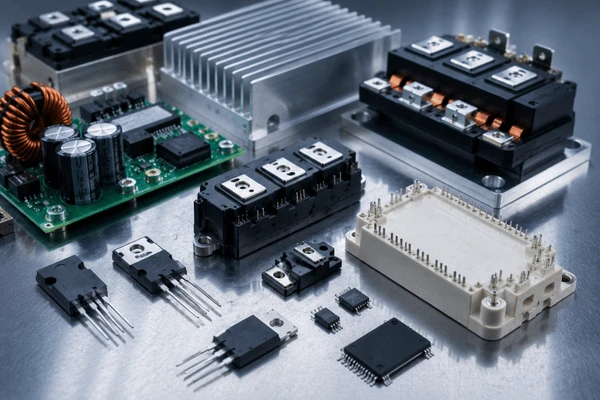
Designed for modern automotive applications, our heat sinks are widely used in electric vehicles, hybrid vehicles, and various automotive electronic control systems where efficient thermal management is essential.

Request a Quote for Automotive Heat Sink
To help us provide an accurate quotation, please share the following information: Drawing or sample photos, Roller diameter and length, Material requirement, Quantity.
Why choose us
Our custom heat sinks are manufactured using advanced cold forging technology, enabling the production of high-density fin structures with excellent thermal conductivity and superior mechanical properties. As one of the experienced heat sink manufacturers and a trusted heat sink factory, Welong delivers precision-engineered solutions for demanding thermal management applications. Compared with conventional extrusion or machining processes, cold-forged heat sinks offer enhanced heat dissipation, improved material utilization, and greater design flexibility.
Custom design and engineering support
As a trusted custom heatsink manufacturer, Welong provides engineering support from design optimization to production, delivering tailored solutions based on customer drawings and application requirements for optimal performance and cost efficiency.
Specialized Cold Forging Technology
Specialized in non-ferrous metal cold forging technology, supporting a wide range of custom thermal management components, including custom copper heatsinks, with high precision and excellent material utilization.
Automotive & Power Electronics Expertise
Strong capability in manufacturing automotive heat sinks, including battery heat sinks, delivering reliable thermal management solutions with high precision, excellent heat dissipation, and consistent product quality.
Strict quality control system
Every heat sink undergoes strict quality inspections, including material verification, dimensional checks, and mechanical testing. Advanced inspection equipment ensures consistent quality, reliable thermal performance, and precision in every product.
Superior Thermal Performance
Designed for efficient heat transfer, our heat sinks provide excellent thermal conductivity and outstanding heat dissipation performance, helping improve system stability, extend component life, and enhance overall operating efficiency.
Competitive Solutions for High-Volume Production
Our engineering team optimizes designs and manufacturing processes to reduce procurement costs while maintaining quality and performance, providing competitive pricing solutions with potential savings of up to 30%for high-volume production.
How Does a Heat Sink Work?
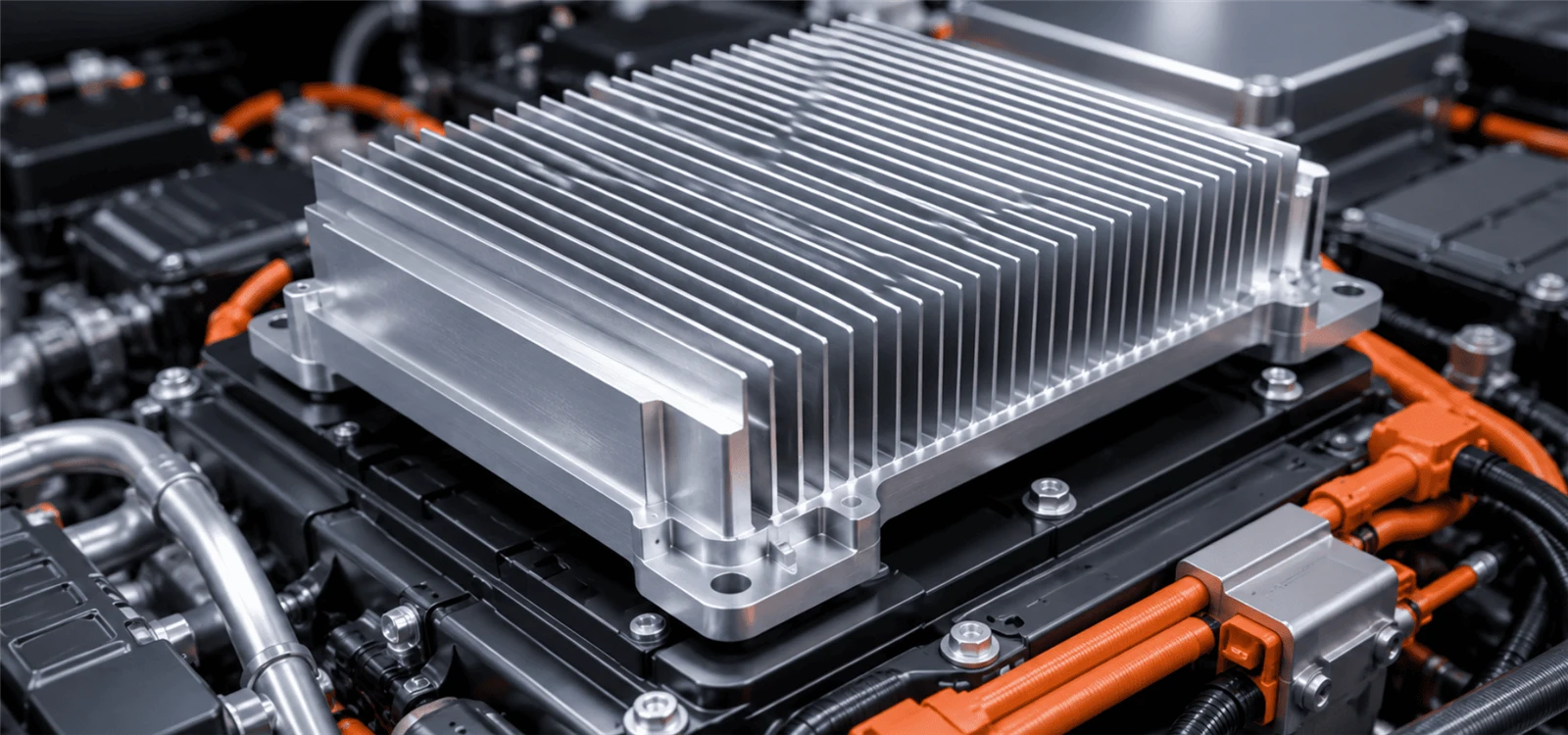
An automotive heat sink works by transferring heat away from electronic components and releasing it into the surrounding air. In electric vehicles and automotive electronic systems, a heat sink automotive solution helps maintain safe operating temperatures, improves efficiency, and extends component life. The process can be divided into four simple steps:
Heat Generation
Electronic components such as IGBT modules, power control units (PCUs), battery management systems (BMS), onboard chargers (OBCs), and ECUs generate heat during operation. Without effective cooling, excessive temperatures can reduce efficiency and shorten the lifespan of automotive electronics.
Heat Distribution
Once the heat reaches the heat sink, it spreads evenly through the base and cooling fins. The fin structure increases the surface area, allowing heat to be distributed more effectively before being released into the air.
Heat Transfer
The generated heat is transferred from the electronic component to the automotive heat sink through a thermal interface material (TIM), such as thermal grease or a thermal pad. This process minimizes thermal resistance and enables efficient heat conduction.
Heat Dissipation
Finally, the heat is dissipated into the surrounding air through natural convection or forced convection. In high-power automotive applications, cooling fans or liquid cooling systems are often combined with an automotive heat sink to achieve higher cooling efficiency.
Quality Control
To ensure consistent quality and thermal performance, each heat sink undergoes comprehensive quality inspections supported by advanced equipment, including Coordinate Measuring Machines (CMM), Spectrometers, Height Gauges, Roughness Testers, and Tensile Testing Machines, ensuring precision and reliability in every product.
Raw Material Verification
Chemical Composition Analysis
Dimensional Inspection
Surface Cleanliness Inspection
Visual Inspection
Flatness Inspection
Mechanical Property Testing
Other tests upon request
Manufacturing Process
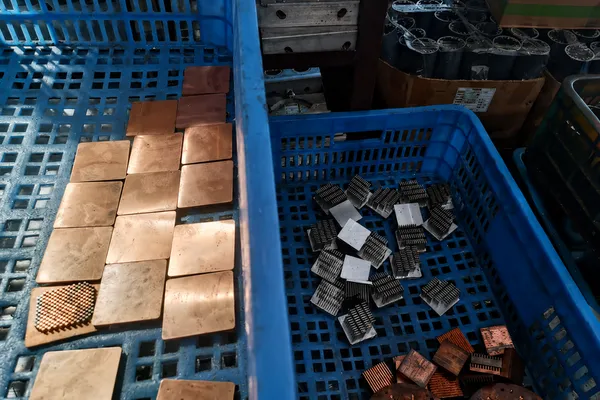
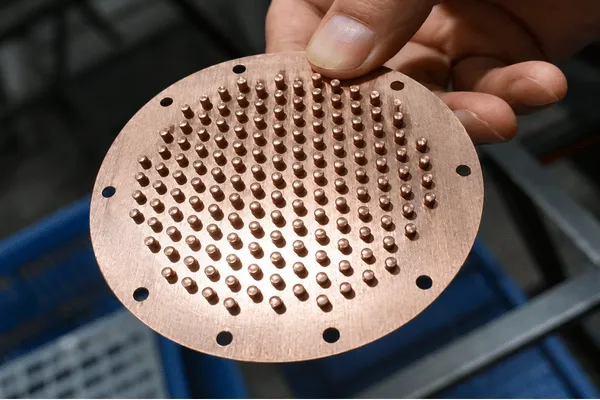
By utilizing advanced cold forging technology, we are able to manufacture complex heat sink geometries with optimized fin structures that maximize heat transfer efficiency while minimizing material waste. Products can be manufactured according to customer drawings, samples, or specific thermal performance requirements.Available surface treatments include:
Anodizing
01
Powder Coating
02
Electrophoresis
03
Passivation
04
Custom Surface Treatments
05
Our Cases


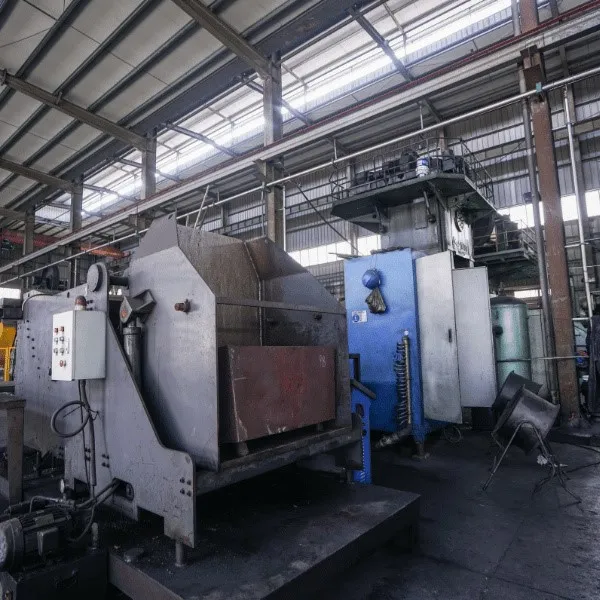
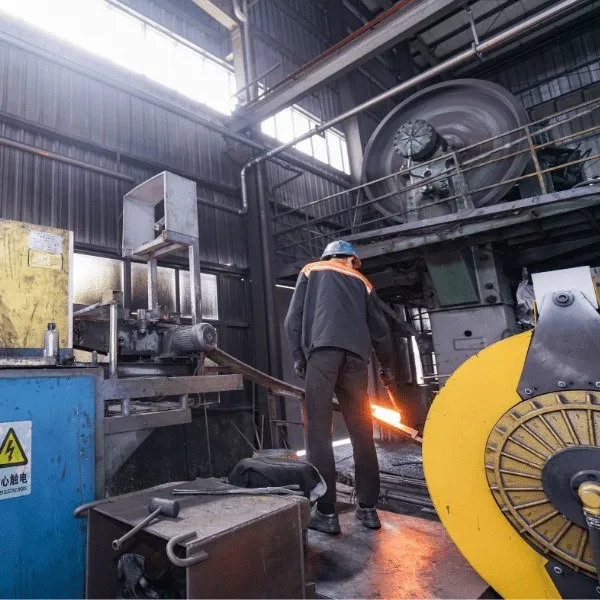
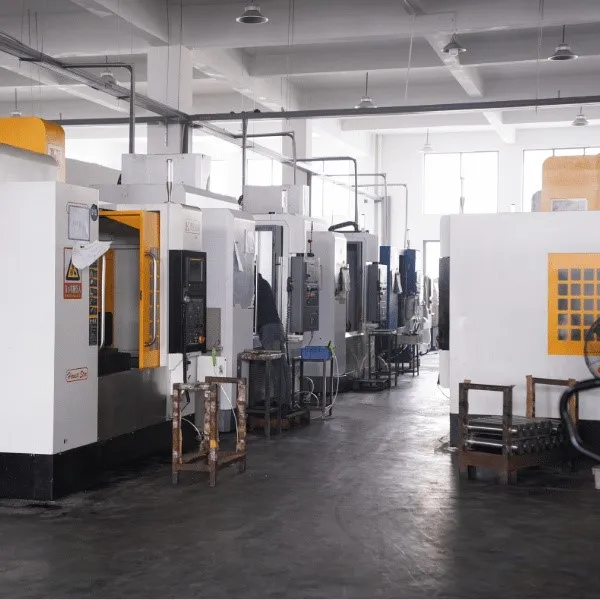
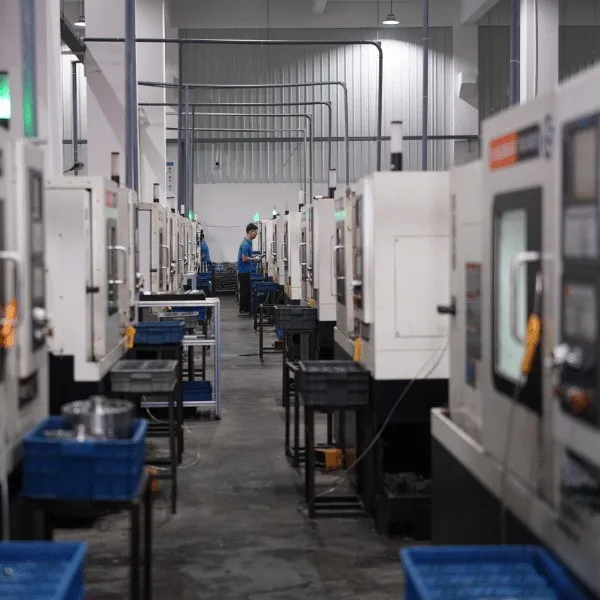
Our Factory




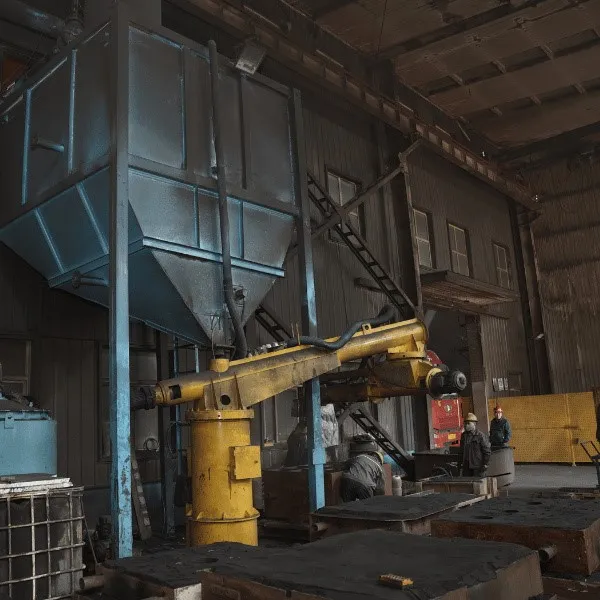
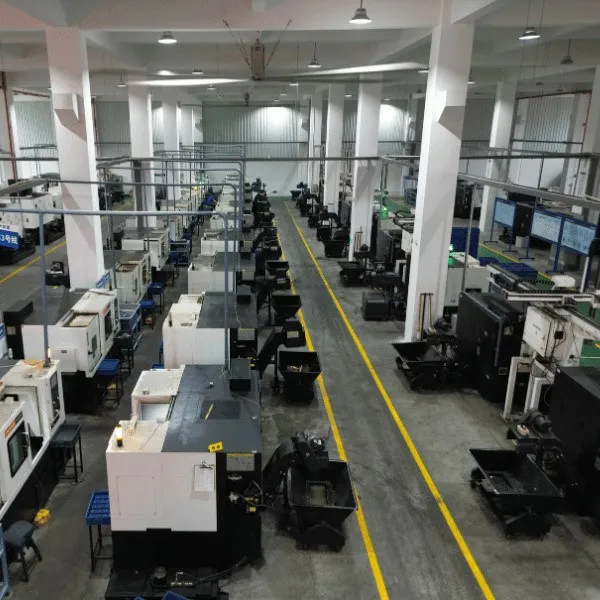
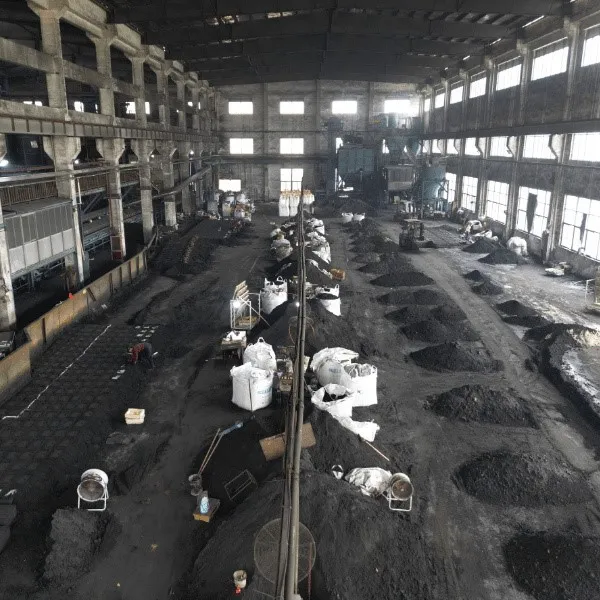

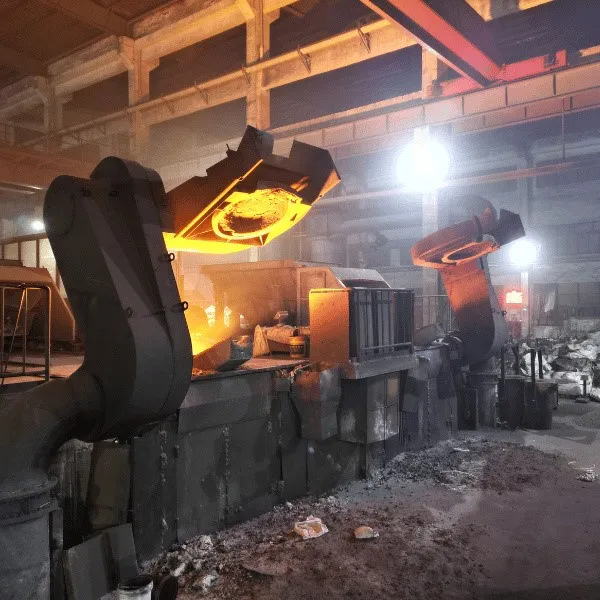


Certifications

ISO 9001:2015

ISO 9001:2015
Certificate name
Certificate name
Certificate name
Certificate name
FAQ
Q: How does a heat sink work on a motor?
A: A heat sink helps cool a motor by absorbing heat generated during operation and transferring it to the surrounding air. It is typically attached to the motor housing or electronic controller, where heat is conducted into the heat sink and then dissipated through its fins by natural or forced airflow. This prevents overheating, improves efficiency, and extends the service life of the motor and its electronic components.
Q: What are the signs of a bad heatsink?
A: A faulty or ineffective heat sink can cause excessive operating temperatures and reduced system performance. Common signs include frequent overheating, thermal shutdowns, reduced power output, unusually high component temperatures, or visible damage such as bent fins, corrosion, or poor contact between the heat sink and the heat source. Replacing damaged thermal interface material (TIM) can also restore cooling performance.
Q: What is a heatsink?
A: A heat sink is a passive cooling device designed to transfer heat away from electronic components and release it into the surrounding air. Most heat sinks are made from aluminum or copper and feature multiple fins that increase surface area for faster heat dissipation. Heat sinks are widely used in automotive electronics, power supplies, industrial equipment, LED lighting, and computer systems.
Q: What are the disadvantages of using a heat sink?
A: Although heat sinks are highly effective and reliable, they also have some limitations. Large heat sinks require additional installation space and may increase the weight of a device. Their cooling performance depends on airflow, so passive heat sinks may not provide sufficient cooling for high-power applications. In these cases, fans or liquid cooling systems are often required to improve heat dissipation.
Q: Is a heat sink necessary?
A: Yes. A heat sink is essential whenever electronic components generate more heat than they can safely dissipate on their own. Without adequate cooling, excessive temperatures can reduce efficiency, accelerate component aging, and increase the risk of failure. In automotive electronics, EV power modules, IGBT systems, and battery management systems, properly designed heat sinks are critical for maintaining stable performance and long-term reliability.
Hot Tags: automotive heat sink, China automotive heat sink manufacturers, suppliers, factory, , forging and quenching and tempering and machining, Heavy Duty Squeeze Cylinder