


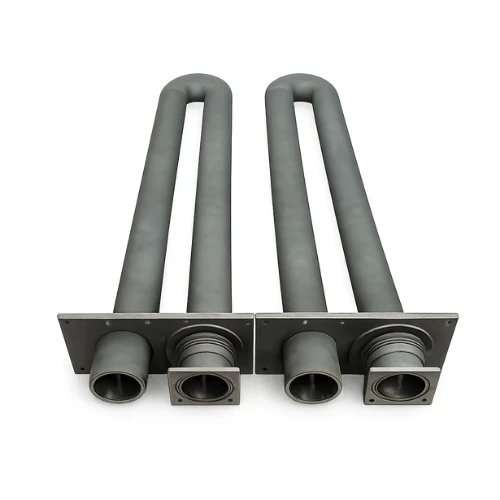
Specification
| Material |
HU, HT, HK, HP, HW, HH 24/24NbTiZr, 50Cr/50Ni (2.4813), 1.4865, 1.4849, 1.4848, 1.4410, 1.4059, 1.4841, 1.4845, 1.4852, 2.4879 or according to the customer's requirements. |
| Standard | ANSI, ASTM, ASME, DIN, GB, |
| Dimension(L*W*H) | According to Customer Drawings |
| Weight | 50-3600kg |
| Tube Length | Up to 4500mm |
| Wall Thickness | ≥6.5mm |
| Tube Configuration | W-Type, U-Type, I-Type, Customised Designs |
| Operating Temperature | Up to 1200°C (Depending on Alloy Grade) |
| Process | Centrifugal casting + assembly + welding + machining |
| Application |
Heat Treatment Furnaces\Continuous Annealing Lines (CAL) \Continuous Galvanizing Lines (CGL) \Roller Hearth Furnaces \Sintering Furnaces\ Industrial Furnace Systems |
| Service Life | Quenching Furnace: ≥1 Year; Tempering Furnace: ≥3 Years; Gas-Fired Radiant Tube: ≥2 Years* |
What are Radiant Tubes Used for?
Radiant tubes are widely used in high-temperature industrial furnaces where efficient heat transfer, oxidation resistance, and long-term reliability are critical.

Continuous Annealing Lines (CAL)

Continuous Galvanizing Lines (CGL)

Roller Hearth Furnaces

Heat Treatment Furnaces

Bright Annealing Furnaces

Sintering Furnaces

Controlled Atmosphere Furnaces

Batch and Bell Furnaces

Steel Strip Processing Lines

Non-Ferrous Metal Thermal Processing Lines

Request a Quote for Radiant Tube
To help us provide an accurate quotation, please share the following information: Drawing or sample photos, Roller diameter and length, Material requirement, Quantity.
Is a Like-for-Like Radiant Tube Replacement Enough?
If your existing radiant tubes are bowing, cracking, or scaling before the planned replacement interval, ordering the same material and dimensions may reproduce the part-but it may also reproduce the same failure.

An Elsevier Engineering Failure Analysis article, "High Temperature Corrosion and Microstructure Deterioration of KHR35H Radiant Tubes in Continuous Annealing Furnace," reported deformation in centrifugally cast KHR35H radiant tubes after high-temperature service. The case shows that replacement selection should consider actual operating conditions-not only the original drawing and material grade.
Turn Your Failure Evidence into a Better Replacement Specification
When sourcing centrifugal cast radiant tubes, your replacement review should consider:
Actual furnace and tube-metal temperatures
Atmosphere inside and outside the tube
Tube orientation and unsupported span
Burner position and recurring hot spots
Location and appearance of previous damage
When evaluating a centrifugal radiant tube factory, check whether these operating conditions are reviewed before the supplier recommends an alloy, wall thickness, or tube configuration.

Industrial furnace radiant tubes manufacturer
W-Type, U-Type or I-Type: Which Configuration Fits Your Furnace?
Selecting a radiant tube configuration is not simply a matter of choosing a shape. Each design affects the available radiant surface, installation space, number of bends, support arrangement, and compatibility with the existing burner and exhaust connections.
When evaluating a W-type radiant tube manufacturer, the key question is whether the proposed configuration matches your furnace layout and heat-distribution requirements-not whether the supplier can reproduce the shape shown on a drawing.
| Configuration |
|
What Requires Attention |
| W-Type | Suitable where a longer radiant path and broader heat coverage are required within a defined furnace zone | Multiple legs and bends make dimensional alignment, support positions, and expansion allowance especially important |
| U-Type | A practical option where a compact return path is required with fewer bends than a W-Type assembly | The relationship between the burner leg, return leg, bend, and exhaust connection should be checked |
| I-Type | Considered where a straight tube arrangement matches the available furnace space and heating layout | Effective heated length, end connections, orientation and unsupported span must suit the existing installation |
| Customised Design | Used when standard configurations cannot match the original interfaces, installation limits, or replacement requirements | Flange locations, tube spacing, bends, supports and assembly dimensions should be defined before production |
No configuration is automatically superior in every furnace. W-Type tubes can provide more radiant surface within a given zone, but they also introduce additional bends and alignment requirements. U-Type tubes provide a simpler return path, while I-Type tubes may be more appropriate where the furnace layout requires a straight installation.
For non-standard replacements, custom radiant tube casting allows the tube sections, bends, flanges, and supports to be produced around the existing installation interfaces. The final design should maintain dimensional compatibility while accounting for the way the tube is supported and allowed to expand during operation.
Why choose us
As a professional radiant tube manufacturer, Welong has over 30 years of experience in manufacturing centrifugally cast heat-resistant alloy components for industrial furnace systems. We have extensive expertise in producing furnace rolls, radiant tubes, sink rolls, stabilizer rolls, and other critical components. Designed for continuous operation under high temperatures and thermal cycling, our radiant tubes offer excellent heat transfer efficiency, superior resistance to oxidation and thermal fatigue, and extended service life, helping customers reduce maintenance downtime and improve furnace operating efficiency.
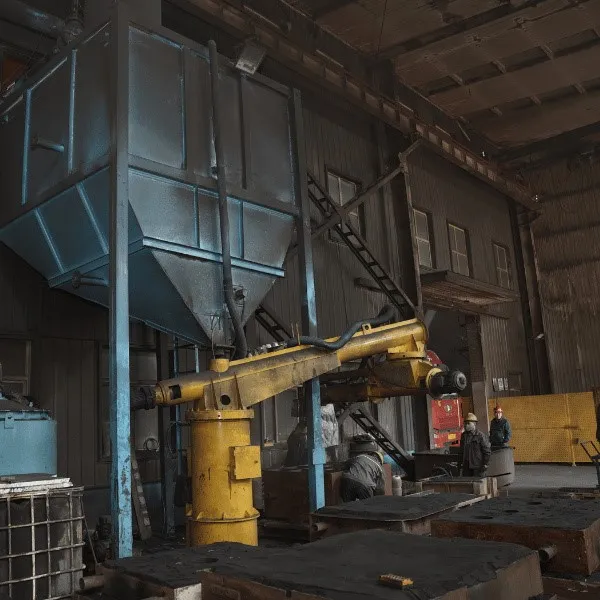
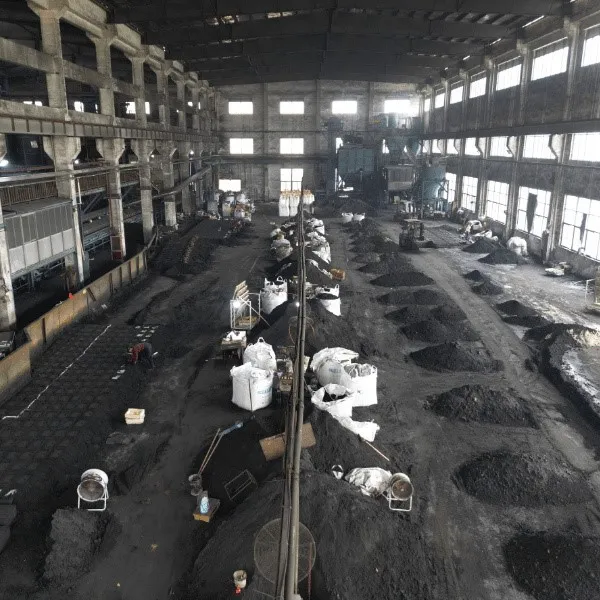
Advanced Centrifugal Casting Expertise
Advanced centrifugal casting technology delivers superior metallurgical structure, excellent oxidation resistance, and longer service life.
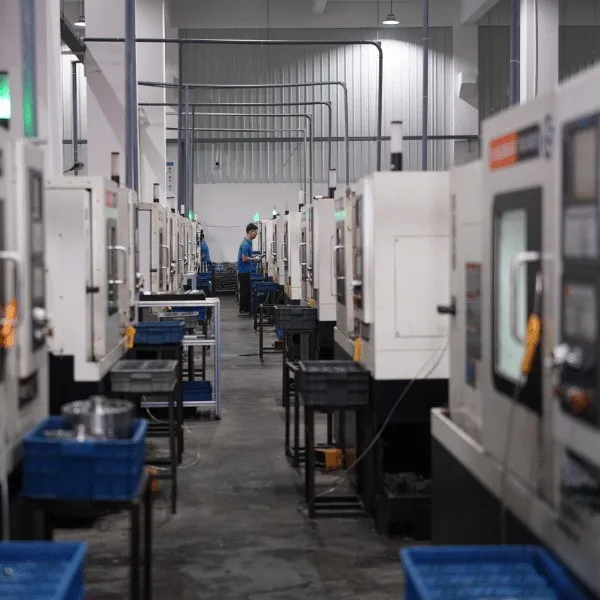
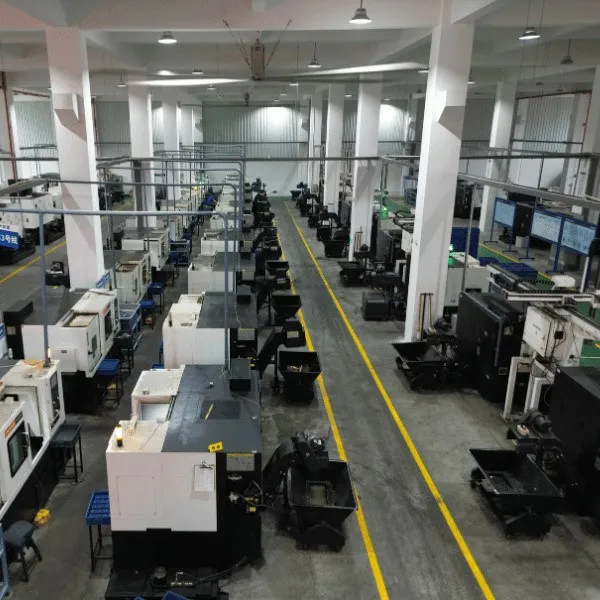
Complete In-House Production
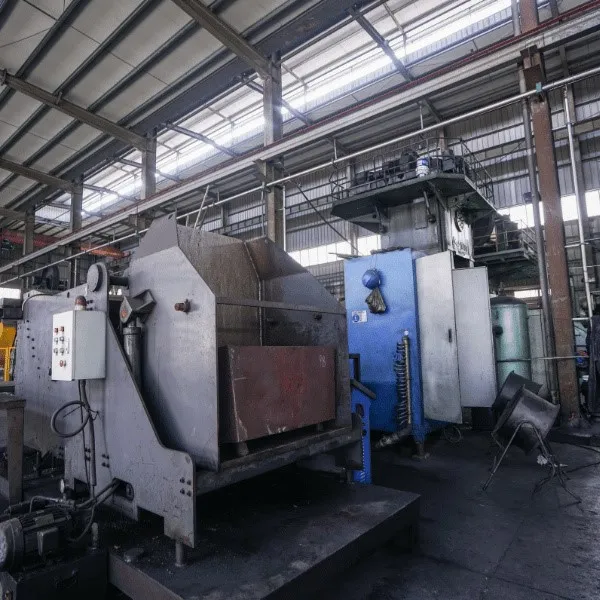
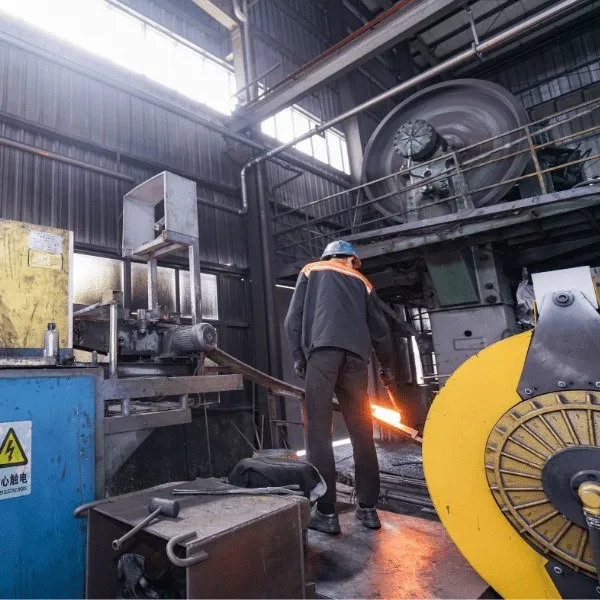
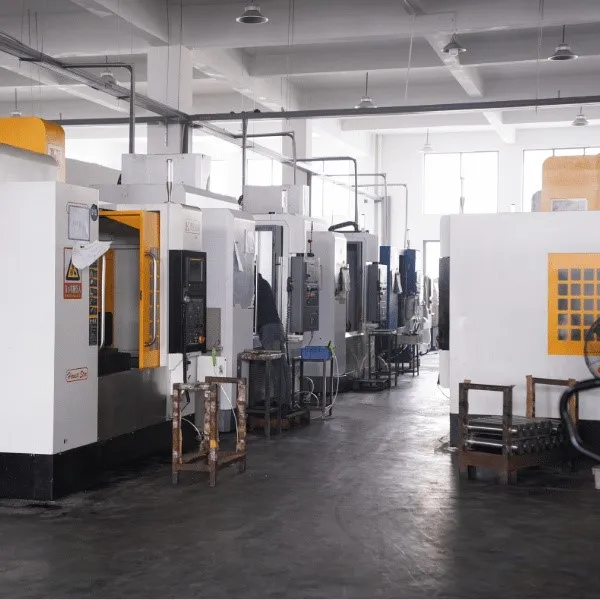
From casting and machining to welding, assembly, testing, and final inspection, all key manufacturing processes are managed in-house to ensure consistent quality and reliable lead times.
Custom Manufacturing
Products can be manufactured according to customer drawings, samples, or reverse engineering requirements.
Engineering Support
Experienced engineers provide support for material selection, structural optimization, and performance improvement.
ISO 9001 Quality Assurance
A strict ISO 9001-certified quality management system ensures consistent product quality and reliability.
1-Year Product Warranty
All products are covered by a one-year warranty, excluding normal wearing parts.
Cast vs Fabricated Radiant Tubes: Which Design Fits Your Furnace?
There is no universal answer to whether cast or fabricated radiant tubes are better. The correct choice depends on operating temperature, heating cycles, furnace supports and the required heat distribution..
Centrifugal cast radiant tubes
are commonly selected for continuous high-temperature service where creep resistance and structural stability are priorities. Their heavier wall sections, however, increase tube weight and thermal mass, so furnace supports and heat-up requirements should be reviewed.


Fabricated radiant tubes
can use thinner, lighter sections for faster thermal response and lower support loads. They can also be easier to repair, but their welded joints and bends must be properly designed for repeated thermal cycling.
The decision should therefore be based on total operating cost-including service life, energy use, maintenance and unplanned downtime-not purchase price alone.
Does More Radiant Surface Area Mean Higher Efficiency?

A larger tube surface can distribute heat across a wider furnace area, but simply adding tube length or bends does not guarantee better efficiency.
Effective radiant tube design must balance:
Radiating surface area and furnace coverage
Tube-surface temperature uniformity
Burner capacity and flame direction
Internal flue-gas circulation and pressure loss
Tube weight, supports, and thermal expansion
If the burner and gas-flow design cannot heat the complete surface evenly, additional area may create a hot burner-side section and a cooler return section. This reduces useful heat transfer and can increase local thermal stress.
Quality Control
As a professional radiant tube factory, Welong applies comprehensive quality control procedures to ensure consistent product quality and reliability. Inspection equipment includes Spectrometers, Metallographic Microscopes, Universal Testing Machines, Rockwell Hardness Testers, Roughness Testers, Hydrostatic Pressure Testing Equipment, and Digital Temperature Controllers.
Raw Material Verification
Chemical Composition Analysis
Dimensional Inspection
Dye Penetrant Testing (PT)
Hydrostatic Pressure Testing (Water Pressure Test)
Hardness Testing upon request
Metallographic Examination upon request
Mechanical Property Testing upon request
Our Cases
Secure packaging with iron stands, heavy-duty wooden crates, or customised solutions, reliable lead times, and successful project delivery worldwide.


Our Factory





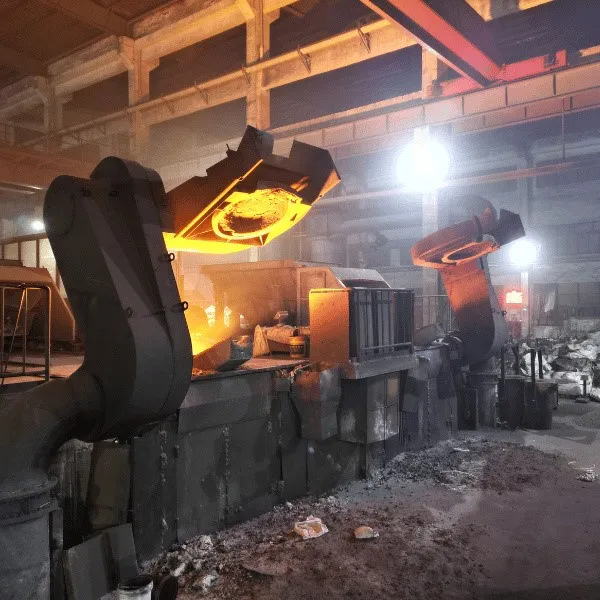


Certifications

ISO 9001:2015

ISO 9001:2015
Certificate name
Certificate name
Certificate name
Certificate name
FAQ
Q: Are radiant tube heaters efficient?
Q: Is a radiant heater cheap to run?
Q: Do radiant heaters really work?
Q: What does a radiant tube heater do?
Q: How do radiant tubes work?
Q: What is the difference between convection and radiant tubes?
Q: What is meant by radiant tubes?
Q: How long does radiant heat tubing last?
Q: How deep should radiant tubing be?
Q: What is the function of the radiant tube?
Q: What is the composition of radiant tube?
Q: How thick is radiant tubing?
Q: How deep should radiant tubing be in concrete?
Q: Should radiant tubing go above or below rebar?
Q: How do radiant tubes work?
Hot Tags: radiant tube, China radiant tube manufacturers, suppliers, factory, Centrifugal casting and machining Company, Work Roll, Centrifugal casting and machining, Assembly and Welding and Machining, Arms for continuous galvanizing line, Forging and Heat treatments and Machining


