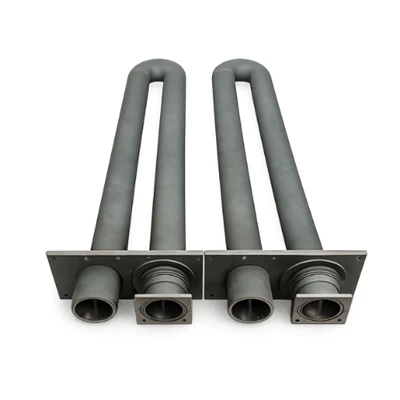

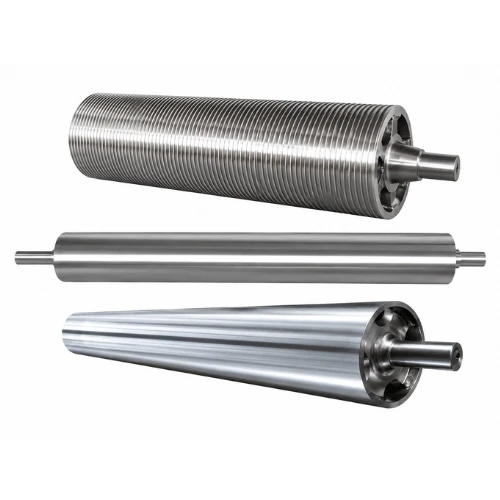
CGL Roll Components We Supply
WELONG supplies custom roll components for continuous galvanizing line equipment, including sink rolls, galvanizing line stabilizer rolls and deflector rolls. Our scope focuses on drawing-based OEM and replacement rolls rather than complete galvanizing line systems.
Depending on the roll design, centrifugal casting and machining are used to manufacture roll bodies and related components. Before quotation, we review the roll position, drawing interfaces, material requirements and available operating information to reduce replacement and installation risks.


Specification
| Material | Stainless steels, heat-resistant alloys (316L) |
| Dimension(L**W*H) | As per the customer's drawings |
| Wall Thickness | ≥7mm |
| technology | Centrifugal casting technology |
| Performance Features | Superior Thermal Fatigue Resistance, Oxidation Resistance, and Molten Zinc Resistance |
Where Does Each Roll Work in a Continuous Galvanizing Line?
| Roll type | Typical system position | Main function |
| Sink Roll | Molten-metal bath | Redirects the strip through the bath |
| Stabilizer Roll | Zinc-pot exit and stabilizing area | Helps control strip position and vibration |
| Deflector Roll | Furnace, cooling, or strip-guiding section | Changes strip direction |
| Furnace Roll | Annealing or heating section | Supports and transports strip under furnace conditions |
Our products are widely used in automotive steel, appliance steel, construction steel, and other high-quality galvanized steel production lines. The exact roll position and operating conditions depend on the CGL design. These roll types should not be assumed to share the same temperature, corrosion, or surface requirements.

automotive steel

appliance steel

construction steel

galvanized steel production lines
How Can Buyers Diagnose a Previous Roll Failure?
| Observed problem | Factors to investigate |
| Periodic strip marks | Roll deposits, coating damage or surface-profile error |
| Roll does not rotate smoothly | Journal, sleeve, bushing or clearance problem |
| Uneven wear at one end | Alignment or unequal load distribution |
| Groove clogging | Groove design, deposit formation and bath conditions |
| Coating cracking or peeling | Coating integrity and substrate exposure |
| Unstable service life | Changes in bath, strip mix, line speed or maintenance |
How Do CGL Stabilizer Rolls Affect Coating Quality?

CGL stabilizer rolls influence coating quality by helping maintain a controlled strip position before the air-knife section. If the strip vibrates or moves laterally, the distance and angle between the strip and the air knives may become less stable.
A 2024 study involving Swansea University and Tata Steel explains that strip vibration around the gas-wiping section should be minimized because the wiping system controls coating thickness. The study also connects deterioration of submerged bearing components with increased strip vibration and subsequent maintenance stops.[1]
This means that a stabilizer-roll evaluation should include more than the roll diameter and face length. The following interfaces should also be reviewed:
Journal and sleeve dimensions;
Bushing material and clearance;
Roll runout and concentricity requirements;
Roll position relative to the strip path;
Surface roughness or coating specification;
Strip tension and line speed;
Previous bearing or sleeve wear patterns.
The objective is not simply to purchase a roll that fits the drawing. It is to confirm that the complete replacement remains compatible with the mechanical and operating conditions of the existing CGL.

Why Can CGL Roll Life Not Be Predicted by Material Grade Alone?

Material grade is only one part of CGL roll selection. Research into submerged galvanizing hardware identifies several interacting degradation mechanisms:
Molten-metal corrosion;
Sliding wear between sleeves and bushings;
Contact stress generated by strip tension;
Dross or intermetallic-particle involvement;
Roll-surface deposits;
Inappropriate hardness relationships between mating components;
Bearing deterioration and unstable rotation.
A study published in Engineering Failure Analysis found that premature wear in a sink-roll system was strongly influenced by the interaction between sleeves and bushings rather than by the roll material alone.[2]
A later peer-reviewed failure analysis concluded that rapid sleeve and bushing wear resulted from the combined effects of contact stress, friction, molten-zinc corrosion, and hard zinc-containing particles entering the contact region.[3]
For procurement, the practical conclusion is clear: the roll body, journal, sleeve, bushing, and surface system should be evaluated as interacting components.

If you have a drawing or specific operating conditions, feel free to send us your drawing for a quote - we'll evaluate the roll system's compatibility and wear risk accordingly.
Which Operating Conditions Should Be Reviewed Before Roll Selection?
The correct material and surface solution depends on the actual galvanizing process. The RFQ should identify the following conditions whenever they are available:
| Operating input | Why it matters |
| Zinc-bath composition | Zn-Al, Zn-Al-Mg, and higher-aluminum baths can interact differently with metallic and coated surfaces |
| Bath operating temperature | Influences corrosion reactions, diffusion, and material degradation |
| Strip width and thickness | Affects contact area, load distribution, and roll dimensions |
| Strip tension | Influences journal and bearing contact loads |
| Line speed | Affects roll rotation, sliding conditions and dynamic stability |
| Roll installation position | Determines whether the roll is submerged, furnace-exposed, or used outside the bath |
| Bearing and sleeve design | Controls the main rotating and sliding interfaces |
| Surface coating | Must be compatible with bath chemistry and mechanical contact |
| Previous service life | Establishes a realistic comparison basis |
| Failure photographs | Helps distinguish dross buildup, corrosion, wear, cracking, and alignment problems |
The U.S. Department of Energy–supported research program on galvanizing pot hardware examined corrosion, wear, bearing materials and dross buildup as related problems. Its work demonstrates why material combinations should be evaluated under representative operating conditions instead of relying only on static material descriptions.[4]

Request a Quote for Continuous Galvanizing Line equipment
To help us provide an accurate quotation, please share the following information: Drawing or sample photos, Material requirement, Quantity.
Why choose us
Sink Rolls guide the steel strip through the molten zinc bath and directly determine coating quality and line stability. Stabilizer Rolls minimize strip vibration and maintain precise strip positioning to achieve uniform zinc coating thickness. Deflector Rolls change strip direction and maintain proper strip tension throughout the galvanizing process. Heat-Resistant Rolls are installed in furnace sections and high-temperature zones where resistance to thermal cycling and oxidation is essential. For critical wear components, we have developed Nb-alloyed Sink Roll sleeves, tungsten-cobalt alloy bushings, arm sleeves, and related assemblies. Compared with conventional materials, these engineered components provide 5–6 times longer service life due to their exceptional wear resistance, corrosion resistance, crack resistance, and thermal shock performance. These advantages help reduce maintenance frequency, minimize line downtime, and lower overall operating costs for galvanizing plants.
Customized Solutions
We manufacture Sink Rolls, Stabilizer Rolls, Deflector Rolls, and Heat-Resistant Rolls according to customer drawings, specifications, or samples. Reverse engineering and design optimization are also available.
Large-Scale Manufacturing Capability
Our centrifugal casting process supports products ranging from several tens of kilograms to multiple tons, with wall thicknesses starting from 7 mm, suitable for various CGL applications.
Enhanced Service Life
We have developed Nb-alloyed Sink Roll sleeves and tungsten-cobalt alloy bushings and arm sleeves, offering 5–6 times better wear resistance, corrosion resistance, and crack resistance than conventional materials.
Reliable Quality Control
Comprehensive inspections, including chemical composition analysis, dimensional inspection, dye penetrant testing, and dynamic balancing, ensure stable performance and long service life.
One-Stop Supply
In addition to roll bodies, we can supply shafts, bushings, arm sleeves, and complete roll assemblies, helping customers simplify procurement and maintenance.
Global OEM & Replacement Support
Providing customized solutions for OEM production and maintenance replacement projects worldwide, ensuring reliable performance and long-term supply continuity.
Drawing-Based Manufacturing and Replacement Support
Drawing Review
We manufacture CGL roll components according to customer drawings, specifications or approved samples. The drawing revision, critical interfaces and supply scope should be confirmed before production.
Component and Assembly Scope
Depending on the quotation, the supply scope may include the roll body, shaft, journals, sleeves, bushings or a complete roll assembly. Each quotation should identify the included components clearly.
Centrifugal Casting and Machining
For centrifugal cast rollers for galvanizing line applications, the process route should be reviewed together with final material chemistry, wall dimensions, machining requirements, surface condition and rotational accuracy.
Quality Control
For Sink Rolls, Stabilizer Rolls, and Deflector Rolls, our quality control process includes several key inspection stages.
Chemical Composition Inspection
Dimensional Inspection
Dye Penetrant Testing (PT)
Dynamic Balancing Testuest
Our Cases
Secure packaging with iron stands, heavy-duty wooden crates, or customized solutions, reliable lead times, and successful project delivery worldwide.


Testimonial
What Says Our Happy Clients

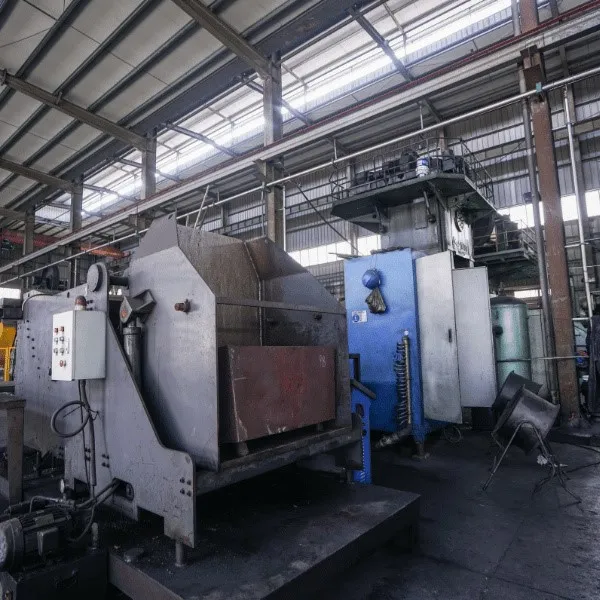
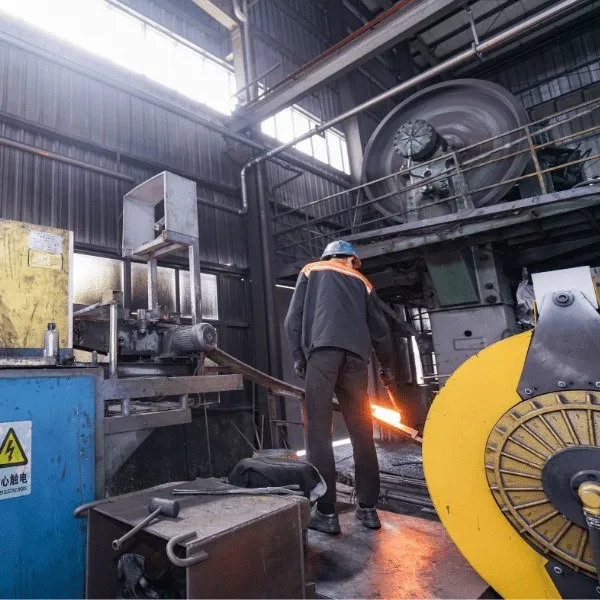
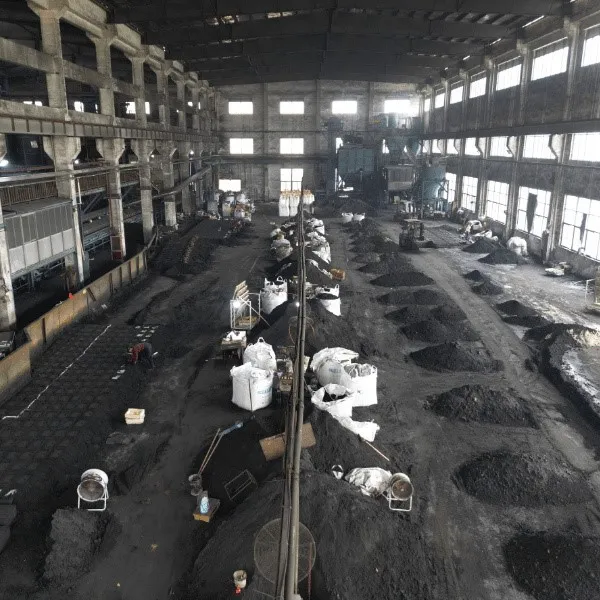
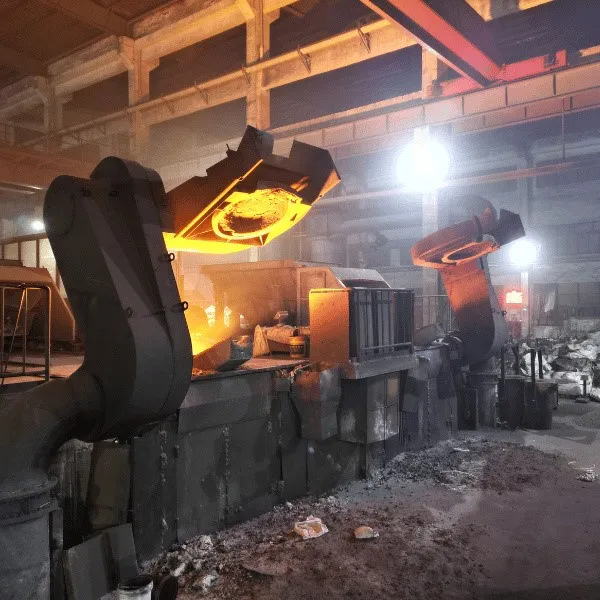
Our Factory


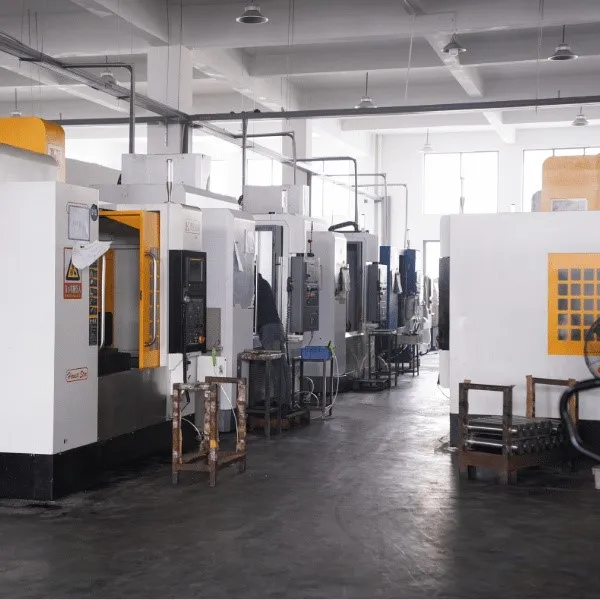
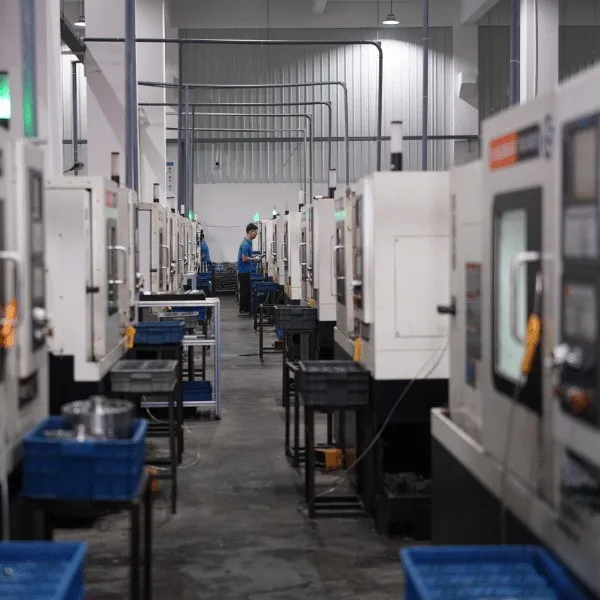


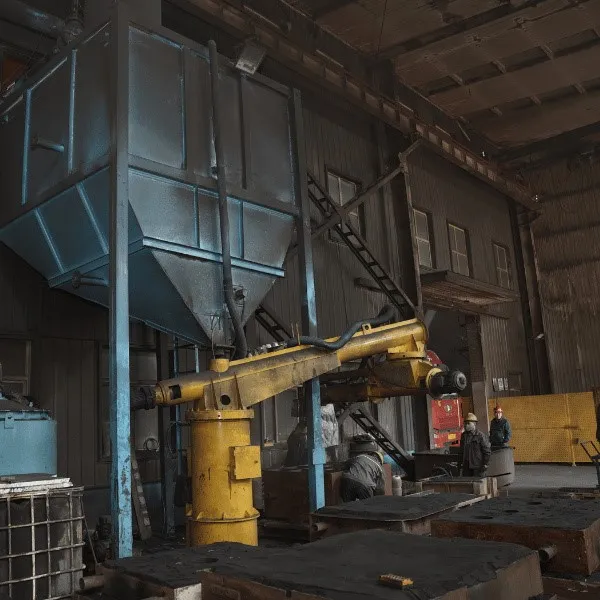
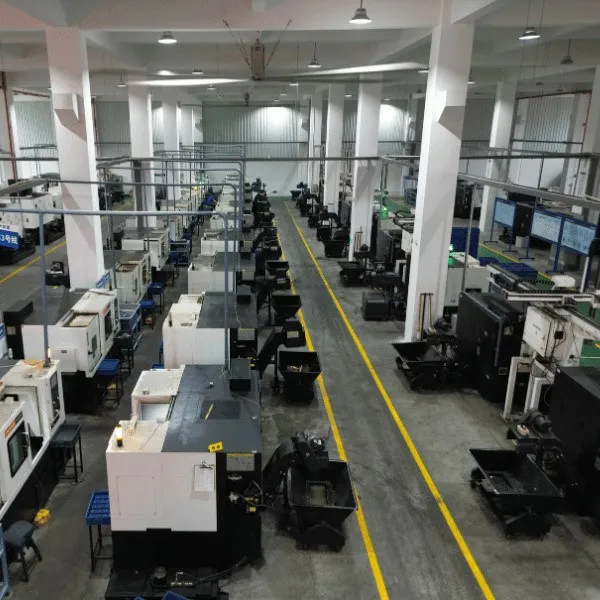



Certifications

ISO 9001:2015

ISO 9001:2015
Certificate name
Certificate name
Certificate name
Certificate name
References
- Alparone, G. P., Sullivan, J., Mills, C., Edy, J., & Penney, D. (2024). Dynamic Testing of Materials for Galvanising Pot Roll Bearings with Improved Performance. Materials, 17(23), 5837. https://doi.org/10.3390/ma17235837
- Wang, L., Zhou, Y., Chen, G., Xu, P., & Rao, S. (2015). Analysis on Dominant Influencing Factors of Online Life Cycle in Sink Roll System and Effective Improvement Methods. Engineering Failure Analysis, 58, 8–18. https://doi.org/10.1016/j.engfailanal.2015.08.004
- Shi, Y., Tong, J., Zheng, Q., Rao, S., Jin, H., & Rao, S. (2018). Analysis of the Failure Mechanism of the Sleeves in Sink Roll System . Journal of Failure Analysis and Prevention, 18, 183–188. https://doi.org/10.1007/s11668-018-0395-7
- Liu, X. (2006). Life Improvement of Pot Hardware in Continuous Hot Dipping Processes: Final Report . Report No. DOE/EE/14042-1. U.S. Department of Energy. https://doi.org/10.2172/876590
Hot Tags: CGL Rolls & Continuous Galvanizing Line Equipment, China CGL Rolls & Continuous Galvanizing Line Equipment manufacturers, suppliers, factory, Arms for continuous galvanizing line, Assembly and Welding and Machining, Centrifugal casting and machining, Centrifugal casting and machining Company, sodium silicate casting process, Water Glass Investment Casting