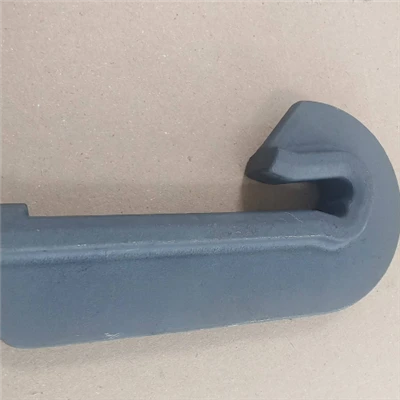


Specification
| Material | Sus304,321,310S,316L,etc. |
| Parts | Flange, bellows, internal sleeve, tie-rod, pipe end, nut
|
| Size available | Φ25mm~φ7000mm |
| Bellows layers | 1-6 layers |
| Threads | DIN, BSPT, BSP, NPS, NPT, Metric, (ISO7/1, DIN 2999, ANSI B1.20.1) |
| Surface | Carbon steel flange galvanized or AL painted |
| Normal Specification | ID40~600mm,overall length:300~400mm |
| Application temperature | -50~300°C |
Types of Metal Bellows

Formed bellows
Formed bellows, sometimes called convoluted bellows, are a series of tubes created from a single sheet of metal. Manufacturers create formed bellows using a method called deep drawing, a process that pulls a sheet of metal into a forming die.
Then, one of two techniques is used to create the series of tubes that make up the formed bellows: cold forming or hydroforming. The forming die can turn various types of metals, such as copper or nickel, into formed bellows. Steel plants, cement plants, and refineries use them in their applications.

Welded Bellows
Manufacturers create welded bellows by welding individual diaphragms together. Generally, when choosing between formed and welded bellows, the buyer needs to consider both cost and performance.
For example, hydroformed bellows have a lower tooling cost when mass-produced, but their performance might suffer due to reduced flexibility from being so stiff. Welded bellows are both inexpensive to produce and exhibit some higher performance traits, although they aren't as strong as the welded joints.

Electroformed Bellows
Producers create electroformed bellows using electrical currents and positive and negative anodes. They place a mold into a solution of metal salts along with the alloy that will make up the bellows. An electrical current passes through the solution, with the positive and negative objects depositing the alloy of choice, such as copper or nickel, onto the mold.
What are Metal Bellows Used for
Metal bellows are commonly used to manage and balance thermal expansion, pressure surges, vibrations, misalignment, and other forms of displacement in pipelines and machinery. As a trusted metal bellows manufacturer, Welong provides custom solutions for demanding applications.Some typical uses include:

Petrochemical Sector

HVAC Systems

Aerospace Industry

Power Generation

Medical Devices

Semiconductor Industry
Metal Bellows: Various Materials
Metal bellows are available in a variety of materials, including brass, bronze, beryllium copper, Monel, and stainless steel. As an industrial bellows manufacturer, Welong offers material options to meet different application requirements.
Brass Bellows
Brass is a traditional and popular bellows material with a low manufacturing cost. It soldered easily, even with today's lead-free solders. Suitable for operating temperatures up to 300ºF (150ºC), brass bellows are typically used in applications involving an air medium. Examples include mechanical altimeters and thermostatic assemblies.
Bronze Bellows
Bronze offers slightly higher tensile strength, better corrosion resistance, and better electrical conductivity than brass, while also maintaining a low manufacturing cost. Bronze can be soldered as easily as brass but can also be brazed for use in high-temperature applications. Bronze bellows are often used in high-volume applications, such as appliances and HVAC equipment.
Beryllium Copper Bellows
Beryllium copper (BeCu) has superior tensile strength and electrical conductivity compared to other bellows materials. It can be soldered or brazed. Age-hardened beryllium copper is often used in bellows assemblies, which can then be heat-treated for maximum dimensional stability. Beryllium copper bellows are favored in applications requiring a small package size and demanding lifecycle requirements, such as aerospace systems and instrumentation.
Monel Bellows
Monel, a nickel alloy, offers better corrosion resistance than brass, bronze, or beryllium copper. It is routinely welded but can also be brazed. With mechanical performance similar to bronze, Monel is often used in corrosive environments, such as those containing steam or saltwater.
Stainless Steel Bellows
Bellows can be manufactured from various stainless steels, with 300 Series steels being the most common. Stainless steel has excellent tensile strength, making it easier to maximize stroke and minimize package size. It also has excellent corrosion resistance in multiple environments and media. Typically brazed or welded, stainless steel bellows can withstand high operating temperatures. Applications include electrical interrupters, power transmission systems, and industrial controls.
Nickel Bellows
Nickel is a hard material with excellent corrosion resistance. Electrodeposited bellows are made from nickel, but the material is also useful as a corrosion-resistant plating for other types of bellows. Nickel is widely used in aerospace applications.
Metal Bellows Applications
Bellows, whether welded or convoluted (formed), are used in a wide range of industrial applications.With extensive experience in metal bellows manufacturing, Welong provides custom-engineered solutions for demanding industrial applications.
Custom Metal Bellows Manufacturer
Metal Expansion Joints
The metal corrugated compensator is composed of bellows (an elastic element) constituting its working body and accessories such as end pipe, support, flange, and conduit. The utility model belongs to a compensation element. The effective expansion deformation of the bellows of its working body is used to absorb the dimensional changes of pipelines, conduits, and containers caused by thermal expansion and cold contraction, or to compensate for the axial, transverse, and angular displacement of pipelines, conduits, and containers. It can also be used for noise reduction and vibration reduction. It is widely used in modern industry.
Non-metallic compensator
The non-metallic Compensator can compensate for the axial, transverse, and angular displacement of the pipeline. It has the characteristics of no thrust, simplified support design, corrosion resistance, high temperature resistance, noise elimination, and vibration reduction. It is especially suitable for hot air pipelines and smoke pipelines.

How Metal Bellows Are Made
Bellows Design
Metal bellows and bellows expansion joints are used in piping systems to absorb thermal growth. Each time the piping system heats up and cools down, the bellows go through one complete cycle. The manufacturing of a metal bellows begins with the design process. The desired life cycle of the bellows or expansion joint must be determined to specify the bellows' thickness and the number of plies required. A multi-ply bellows is generally a better choice for a longer cycle life. In applications with minimal movement or infrequent heating and cooling cycles, a single-ply metallic bellows may be satisfactory. A multi-ply metal bellows is preferable when vibration is present in the piping system, such as in marine exhaust, generator exhaust, blower exhaust, and pumps. To ensure you are purchasing bellows expansion joints from a reputable manufacturer, always request a design data sheet that follows the Expansion Joint Manufacturers Association (EJMA) 10th edition guidelines.
Making the Bellows Tube
The first step in manufacturing a metal bellows is making the tube or tubes that are to be corrugated. The coil or sheet stock is precision sheared to the predetermined size. For multi-ply bellows, each outer tube will be slightly larger than the inner tube. Typically, multi-ply bellows consist of 2 or 3 tubes (plies), but depending on the application, there may be 5 tubes (plies) or more.
Once sheared, the sheets are rolled into tubes. Care must be taken to ensure the tubes are perfectly round so they will fit over the bellows forming dies. For multi-ply bellows, each tube is carefully marked so they will fit together after welding.
After rolling, each tube is seam-welded using an automatic longitudinal seam welder. This is a critical step in the manufacturing of the bellows, as a poor seam weld may result in splitting during the forming process. After welding, the tubes are inspected, cleaned, and telescoped together.
Forming the Bellows
The process of corrugating the tube can be done in several ways, with the most common being mechanical die forming and hydroforming. Triad Bellows incorporates a mechanical forming process that is much less expensive than hydroforming and achieves similar results in terms of metal thinning. The tube is placed over the die on the bellows forming machine. The machine is programmed to form the bellows corrugation to the exact engineered diameter. The tube is rotated as the dies expand and contract, creating an even expansion without concentrated thinning. Once the preprogrammed number of convolutions is formed, this stage of the process is complete.
Roll Seam Welding
The roll seam welding process involves a continuous series of overlapping spot welds used on multi-ply bellows to join the tubes together at the bellows neck. Depending on the material thickness and the experience of the welder, this may or may not be necessary. A reinforcing band can be incorporated into the roll seam weld process as well. For example, if a welder needs to weld a 0.016" thick single-ply bellows to a pipe, this can be challenging. However, if a 0.062" thick reinforcing band is roll seam welded to the 0.016" thick bellows neck, the welder is effectively welding a 0.078" tube to the pipe, which simplifies the weld joint and reduces the chance of leaks.
Trimming the Bellows Necks
A special rotary shear is used to trim the bellows necks to the exact length. A circumferential line is scribed on the tangent of the bellows. The technician carefully guides the bellows into the rotary shear blades, following the scribed line.
Expanding the Bellows Necks to Size
Using special bellows-expanding machines, the bellows necks can be sized to fit over a pipe or inside a flange. Welders who fabricate metal expansion joints will attest that this is a crucial step for achieving the best welds. A tight fit allows the welder to produce a consistent weld size with minimal potential for leaks. A sloppy fit with gaps increases the likelihood of leaks significantly.
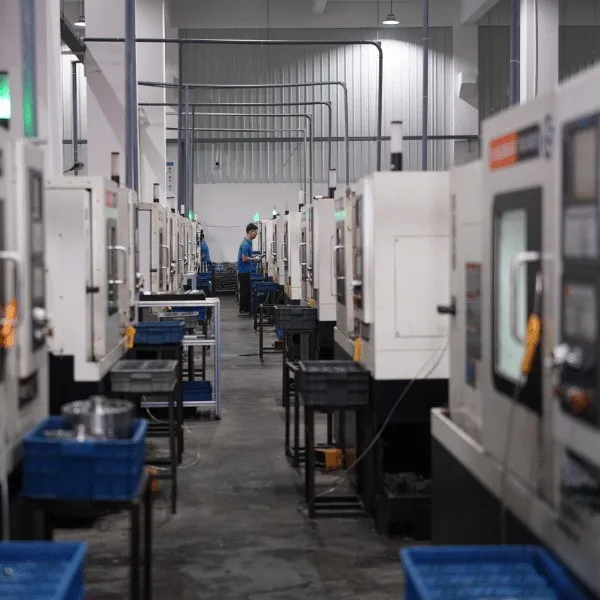
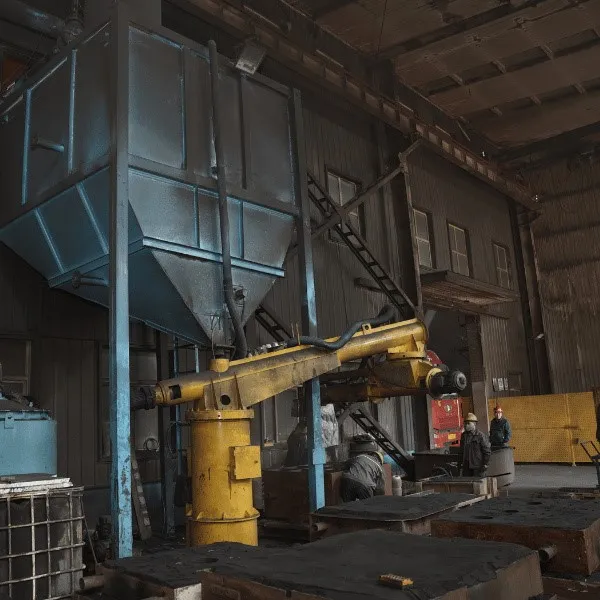
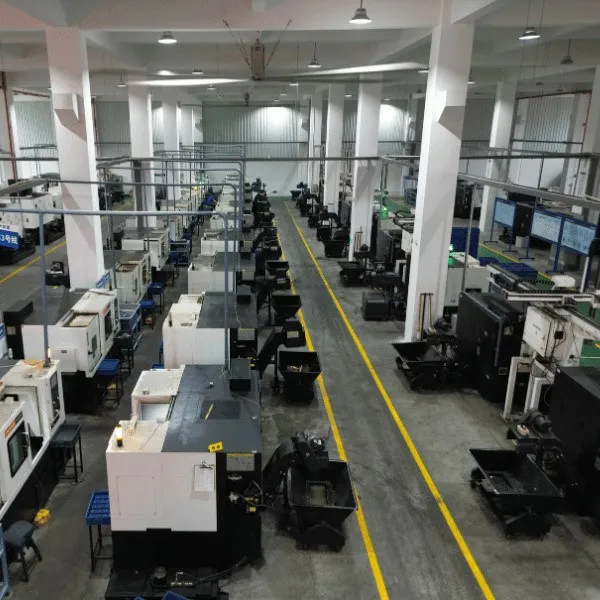
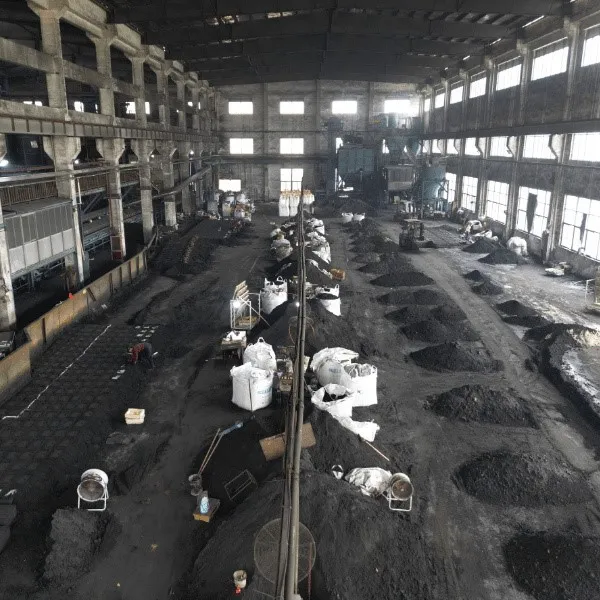
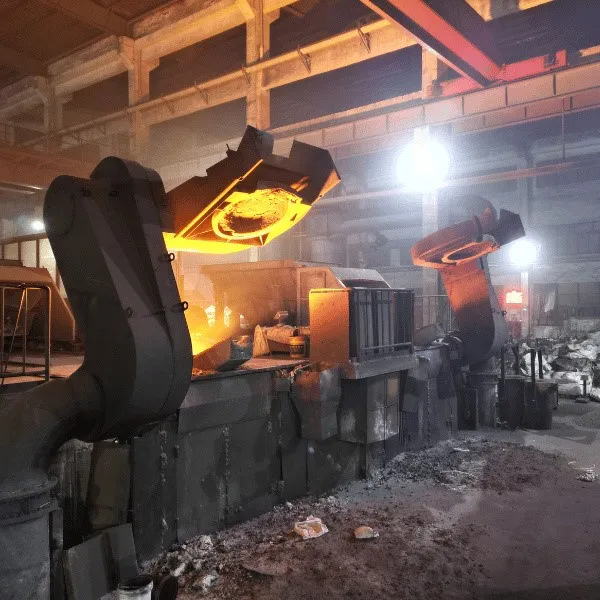
Our Factory

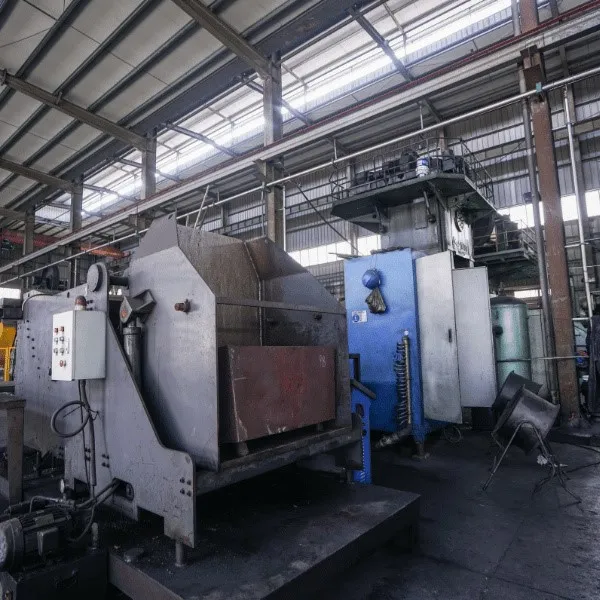
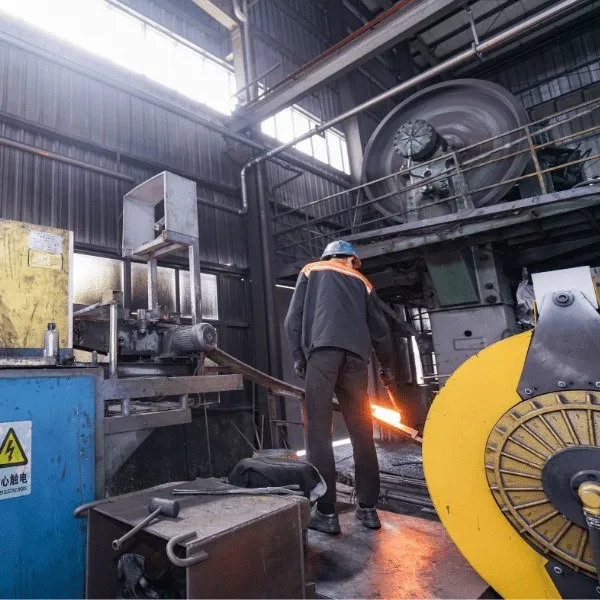

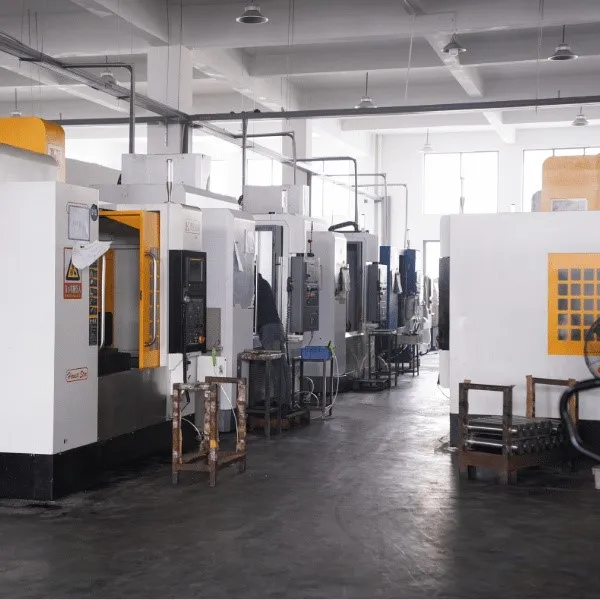





Certifications

ISO 9001:2015

ISO 9001:2015
Certificate name
Certificate name
Certificate name
Certificate name
FAQ
Q: What is a Bellows?
Q: What is a Bellows' Function?
Q: How Are Bellows Made?
Q: What Materials Are Recommended for Metal Bellows?
Q: How Long Do Bellows Last?
Q: What is a Bellows' Maximum Pressure Allowance?
Q: What Are Recommended Joining Methods for Bellows Assemblies?
Q: What End Types Are Required for Welding Bellows to a Hub?
Q: What Can Be Done to Protect Metal Bellows from Corrosion or Make Them Biocompatible?
Q: What is Reverse Bending?
Q: What Metals Can Be Used to Make Edge-Welded Bellows?
Stainless Steels: 304L, 316L, 321, 347, AM350
Nickel Alloys: Inconel 600, Inconel 625, Inconel 718, Inconel X750, Hastelloy C276, Haynes 242
Titanium: Grade 5
Q: How Many Cycles Can an Edge-Welded Bellows Endure?
A bellows made from 304L, 316L, 321, 347, or titanium, with vacuum inside, is typically designed for a cycle life of less than 1,000,000.
A bellows made from AM350, Inconel 600, Inconel 625, Inconel 718, Inconel X750, Hastelloy C276, or Haynes 242, with vacuum inside, is typically designed for more than 1,000,000 cycles.
Q: How Can I Reduce the Bellows Force for a Given Deflection?
Reduce Material Thickness: The easiest method, though it may decrease the bellows' cycle life depending on performance requirements.
Increase Length: Adding convolutions makes the bellows longer, which lowers the force if the axial stroke length remains unchanged.
Change Material: Stainless steel bellows have similar force, but Titanium bellows will have about half the force of AM350 or 316L stainless steel bellows.
Hot Tags: metal bellows, China metal bellows manufacturers, suppliers, factory, Metal Bellows, Extruding and machining and welding
Hot Tags: metal bellows, China metal bellows manufacturers, suppliers, factory, Metal Bellows, Extruding and machining and welding